《上下经卦名次序》
40. ䷧ 解 jiě Deliverance
¦|¦|¦¦ DÉLIVRANCE
*** Outline ***
- YouTube, 易經的智慧087, 40解卦上 化险为夷, 曾仕强
- YouTube, 易經的智慧088, 40解卦下 待时而动, 曾仕强
- 粵拼韻腹表
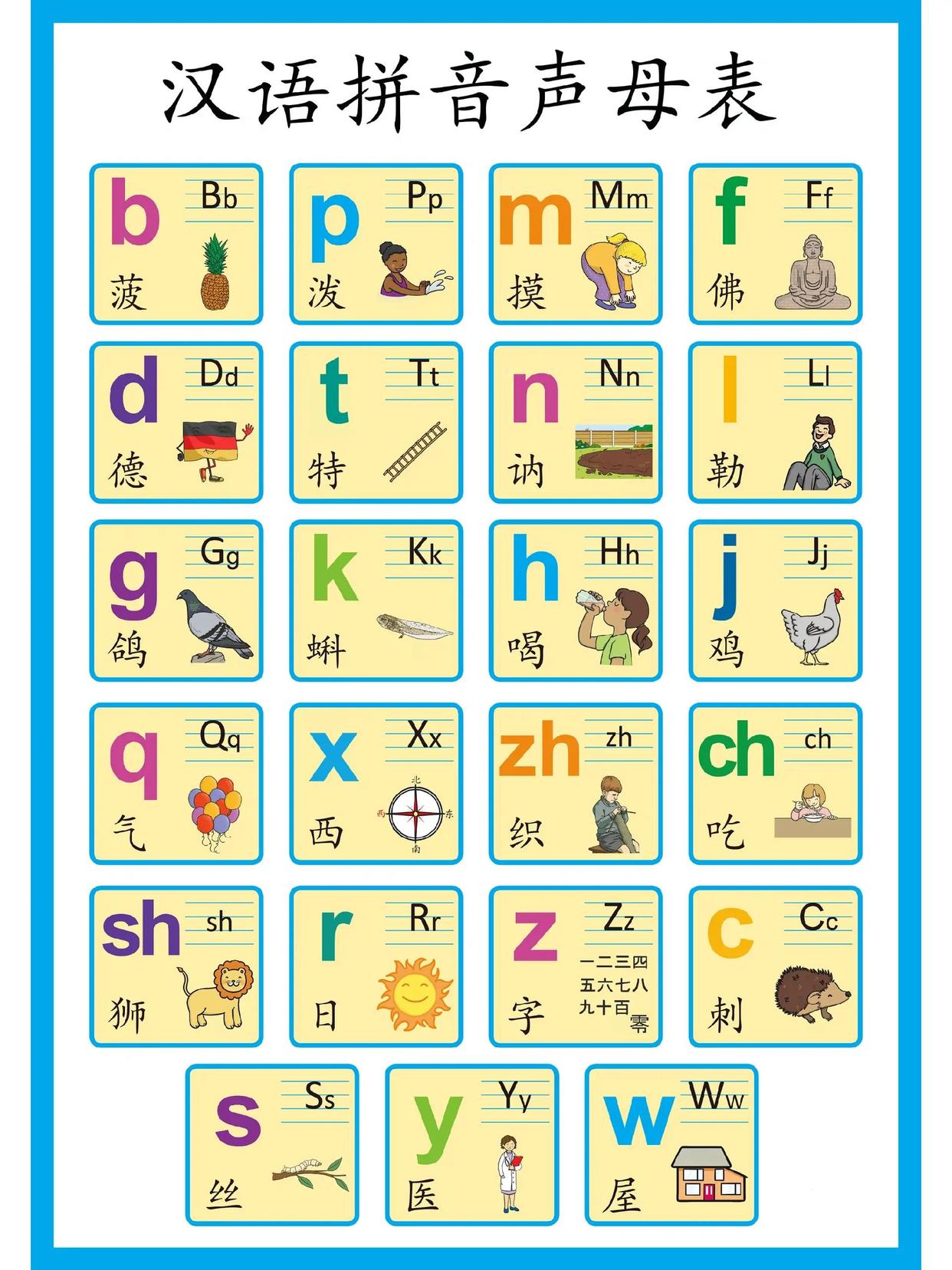
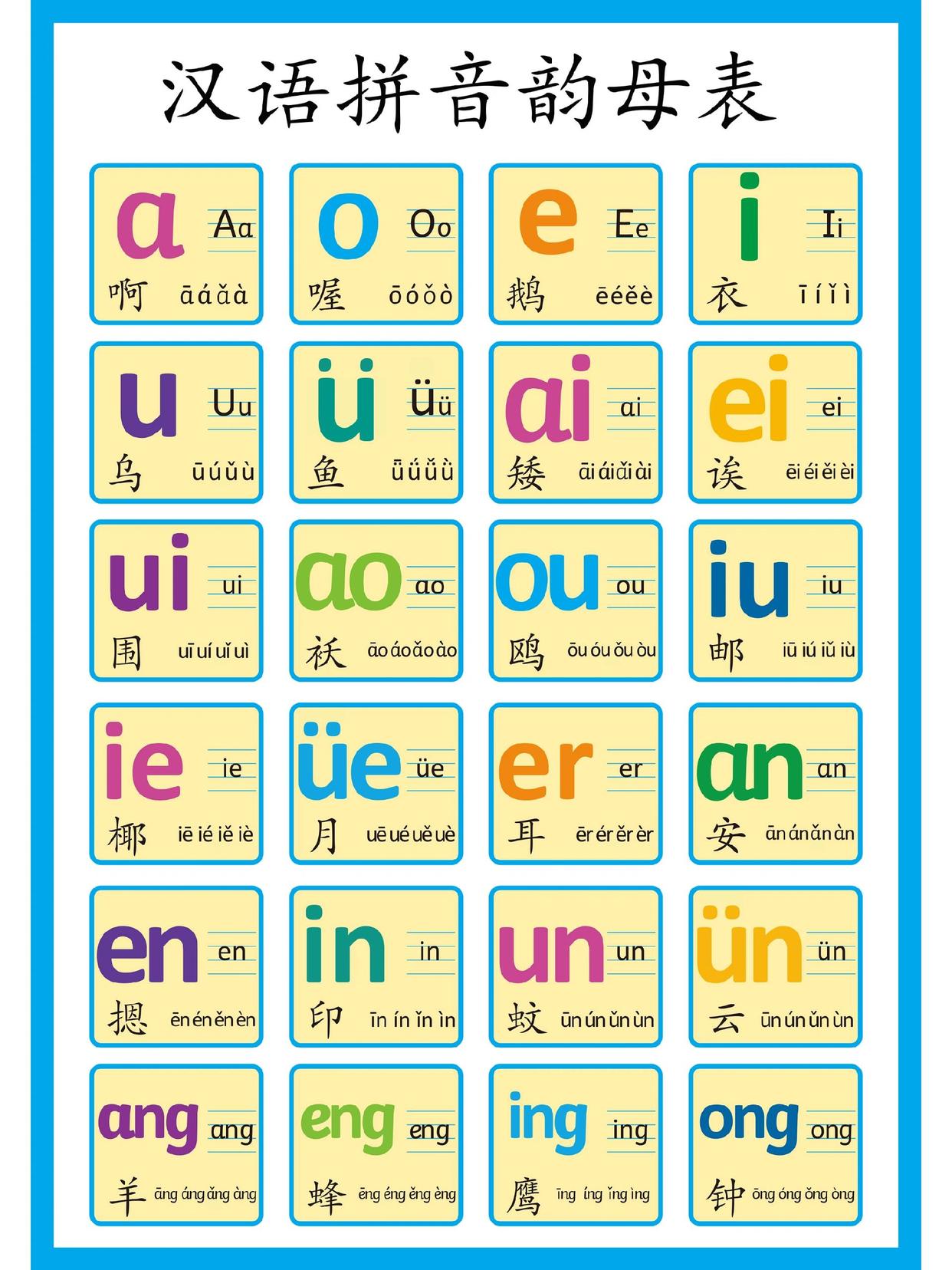
- 汉语拼音字母表
- 新浪,《易经详解》第41集:度一切苦厄, 傅佩荣 (PDF)
- Bilibili, 傅佩荣详解易经六十四24下,
度一切苦厄 解卦
- Bilibili, 易经64卦原文全解, 解卦, 易先生
- YouTube, 道通天地電視頻道, 解讀易經II, 第五十三集 解卦 余中哲老師
- YouTube, 易龙、龙吟经典讲解(育龙讲堂), 40王者善解、化干戈为玉帛《易·王》解卦第四十
1. YouTube, 易经的智慧087, 40解卦上 化险为夷, 曾仕强
* 新浪,《易经的智慧》第86集(第40解卦):[化险为夷 (huàxiǎnwéiyí) (faa3 him2 wai4 ji4) Turn a crisis into an opportunity / Se sortir d'une situation périlleuse], 曾仕强 (PDF)
* 《易经的智慧》4 第87集:化险为夷,曾仕强
* 美篇,《易经的智慧》第87集解卦(上):化险为夷, 曾仕强
* 美篇,《易经的智慧》第87集解卦(上续):化险为夷, 曾仕强
* YouTube, 易经的智慧087, 40解卦上 化险为夷, 曾仕强
(一)
[人生不是一帆风顺的 life isn't always smooth sailing / la vie n'est pas toujours un long fleuve tranquille], 生活中常常充满了困难和[挫折 (cuòzhé) (co3 zit3) frustrated / frustration]。那么,面对艰难险阻,我们该如何化险为夷? 《易经》六十四卦中的解 (xiè) 卦,[给我们以怎样的启示呢 what insights does this offer us / quels enseignements pouvons-nous en tirer]?近些年来,[自然灾(災)害频发 (zìrán zāihài pín fā) (zi6 jin4 zoi1 hoi6 pan4 faat3) frequent natural disasters / les catastrophes naturelles se produisent fréquemment],[抗震救灾 earthquake relief / secours en cas de tremblement de terre]、抗洪救灾、抗旱救灾等[触动(觸動) (chùdòng) (zuk1 dung6) touch]着亿万人的心。那么,解卦对于我们的[抢险救灾工作 emergency response and disaster relief efforts / opérations de secours et d'intervention en cas de catastrophe], 又有怎样的[指导意义(指導意義) guiding significance / signification directrice]呢?
当我们听到打雷的时候,我们心里头有一个[期待 expect],就是要下雨了。 可是打了半天,雨都下不来,你就知道[这个天气是很郁闷(鬱悶) (yùmèn) (juk1 mun6) this weather is really depressing / ce temps est tellement déprimant],我们的心情也不[舒畅 (shūchàng) (syu1 coeng3) comfortable / confortable]。

From Mathieu Wagner.

因为蹇卦的水是在上面,就算下了雨,也是[聚 (jù) (zeoi6) 集在
gathered at / rassemblés à]高山上,平地的人当然心里头很不舒服。
因为我缺水,而且又[担(擔)心 (dānxīn) (daam3 sam1) worry / inquiétude],
什么时候把[泥石流搞 (gaau2) (gǎo) 下来 a mudslide came crashing down /
une coulée de boue s'est produite],我半夜有时候都逃不及。
所以那个时候,我们就感觉到[有一种艰难的感觉(覺) (gǎnjué) (gam2gok3)
there is a sense of hardship / il y a un sentiment de difficulté]。
现在不一样了,现在水跑到下卦来了,就是水变成雨,然后下到大地上,
雷又打到天上去,这个叫做

[雷雨大作 a violent thunderstorm broke out / un violent orage
s'est abattu]。然后天气突然间感觉到很舒畅,[心情也很愉快 I'm in a great
mood, too / je suis également de très bonne humeur]。所以这个卦叫作解。
[序卦传 Neuvième Aile. L'ordre de succession]:
《序卦传》把蹇跟解作了[一个交代 an explanation]:

物不可以终难,
故受之以《解》。
《解》者,缓也。
(wù bù kěyǐ zhōng nán,
gù shòu zhī yǐ “jiě”.
“Jiě” zhě, huǎn yě.)
(mat6 bat1 ho2 ji5 zung1 naan6,
gu3 sau6 zi1 ji5《 gaai2》.
《 gaai2》 ze2, wun4 jaa5.)
-------------------------
{ctext.org}:
Things cannot remain for ever in such a state. Jian therefore
is followed by Jie. Jie denotes relaxation and ease.
-------------------------
{wen.fr}:
物不可以终难,Les êtres ne peuvent pas toujours rester
dans l’embarras.
故受之以《解》。C’est pourquoi vient ensuite “Libération”.
《解》者,缓也。Libérer correspond à détendre.
-------------------------
物不可以终难
如果老天安排那个事物,始终是困难是困难是困难的,大家很可能就死心了。
中国人讲得最清楚,[哀莫 (Āi mò) (oi1 mok6) 大于心死 there is no
greater sorrow than the death of the heart / il n'y a pas de plus
grande douleur qu'un cœur brisé]。只要你死心了,算了,我不管了,大不了一死。
它不会,老天是用艰难来磨练人的[意志 will / volonté],
[并不是真的要跟人过不去 it's not that I really want to pick a fight
with anyone / ce n'est pas vraiment pour en faire voir de toutes
les couleurs aux autres]。
故受之以解,
所以[它让你艰难艰难,你就会得到疏解 (shūjiě) (so1 gaai2) if it makes
things really, really hard for you, you'll find relief / si cela
te donne du fil à retordre, tu trouveras alors un exutoire]。
所以蹇卦之后,紧接着就是给你无比的希望,叫做解。
解者,缓也。
[就是一切都缓慢 (huǎnmàn) (wun4 maan6) 下来了,都舒缓 (shūhuǎn) (syu1
wun4) 了 it's just that everything has slowed down and become more
relaxed / c'est juste que tout a ralenti, tout est devenu plus
paisible],好像让你觉得很轻松,
然后下次再去解决困难,这叫做人生。一松一紧,一松一紧,你看我们的心脏也是,
一松一紧,一松一紧。那解之后会不会又恢复到蹇呢?当然是可能的。你看蹇,解;
解,蹇,这就是一种[循环(環) (xúnhuán) (ceon4 waan4) loop / cycle]。

大家马上想到,如果没有蹇,你解有什么用呢?你看如果全世界都没有灾难, 你成立一个救灾大队,那有什么用?做好看的?那如果有了灾难,而居然没有人会救, [那不是叫苦连天吗 isn't that just complaining nonstop / c'est ce qu'on appelle se plaindre sans arrêt, non / 形容因极度辛苦而不断抱怨]? 所以这两卦相综是非常有道理的。
解卦卦辞:

解,利西南,无所往,其来复吉。有攸往,夙吉。
(jiě, lì xīnán, wú suǒ wǎng, qí lái fù jí. Yǒu yōu wǎng, sù jí.)
(gaai2, lei6 sai1 naam4, mou4 so2 wong5, kei4 loi4 fuk1 gat1.
jau5 jau4 wong5, suk1 gat1.)
-------------------------
{ctext.org}:
In (the state indicated by) Jie advantage will be found in the
south-west. If no (further) operations be called for, there will
be good fortune in coming back (to the old conditions). If some
operations be called for, there will be good fortune in the
early conducting of them.
-------------------------
{Cyrille J.-D. Javary et Pierre Faure}:
解,DÉLIVRANCE
利西南,Profitable le Sud-Ouest
无所往,Absence d'endroit où aller
其来复吉。Vient le RETOUR ouverture
有攸往,Il y a où aller
夙吉。De bon matin ouverture
-------------------------
{wen.fr}:
解,利西南,Libération. Profitable au sud-ouest.
无所往,Nulle part où aller.
其来复 Sa venue est un retour.
吉。Propice.
有攸往,Il y a où aller.
夙吉。Tôt est propice.
-------------------------
{知乎}:
解卦下坎上震。下面的坎卦是两个阴爻中间夹一个阳爻,含义是水,特性是陷入。
上面的震卦是一个阳爻上面两个阴爻,含义是雷,特性是震动。解卦是水上的雷。
解卦与蹇卦上下相反。蹇卦深陷于泥泞当中,而解卦则是雷从泥泞中腾起,表示从困难中解脱。
水面没有明显突出的地方,雷电落到水面,就会迅速分散开,同时雷电的威力就被分散消解了,
象征着难题被解决了。
解字的甲骨文字形像两手解剖牛角,本义为分割、分解,又引申为瓦解、消除。
要分解某物,最好能知悉规律,所以又有了理解的意思。平时遇到难题,我们就会考虑,怎么解。
解卦的卦辞是“利西南,无所往,其来复吉。有攸往,夙吉。” 第一句“利西南”,
与蹇卦给出的方案相同。意思是应该选择合适的路径。第二句“无所往,其来复吉。”
有两种解释,第一种是,如果没有地方去,或者没有方向,回到原地是吉利的。
这里的复字是返回的意思。与其盲目行动,不如先回到原地思考。第二种解释是,
没有地方去,或者没有确定去哪里,在原地待七天之内是吉利的。
七天的出处是复卦的卦辞“七日来复。” 一卦有六爻,如果一爻代表一天,
到了第七天就回复到初始状态了。提醒占卜者尽快做出选择,不要耽搁。
第三句“有攸往,夙吉。” 夙有早的意思,如果确定了去哪里,尽早行动是吉利的。
贞得解卦者,说明即将走出困境了,首先应选择好合适的路径,如果还没有想好,
不要盲目行动,但不宜停留太久,确定之后就要尽早行动。
解卦给我们的启发是,脱离困境的路径非常重要,在没找到合适路径前不要盲动。
但也不宜耽搁。
-------------------------
{周昜入门}:
解卦:利于西南行,但是,若没有确定的目标,则不如返回,返回吉利。
如果有确定的目标,则宜早行,早行吉利。
-------------------------
{DeepL}:
Resolution: It is favorable in the southwest;
there is nowhere to go, but returning brings good fortune.
If there is a destination, going there early brings good fortune.
-------------------------
{Google}:
Solution : Il est favorable d’aller vers le sud-ouest.
S’il n’y a nulle part où aller, le retour portera chance.
S’il y a quelque part où aller, agir rapidement portera chance.
-------------------------
解,利西南,
当《易经》告诉我们利西南的时候,
它就是在提醒你,不利东北。你回头看看蹇卦的卦辞:
蹇,利西南,不利东北,利见大人,贞吉。
它里面就有利西南,不利东北。
利西南的意思就是说什么?

说人家西南方根本就很平静,它没有难险可救。为什么西南无险?
就是因为西南方是坤卦的位置,它很顺,它很平,它没有灾难。
没有灾难你还去救什么呢?那不是打扰人家吗?
无所往,其来复吉,
所以这个时候你不要去,你去干什么呢?这就提醒我们现在人,
很多人没有注意到这个解的第一个[主旨 purpose / but],有需要你才去。
但是现在人怎么样?你没有需要,我制造你一些需要,然后我就[名正言顺 with
good and sufficient reason / en toute légitimité]来救你,
实际上[我来捞(撈) (lāo) (laau4) 你的钱 I'm here to take
your money / je viens te prendre ton argent],这是非常可怕的事情。
无所往干吗?无所往你就回头。 因为往跟来是相对的,你就回来,回来干什么?把自己的事情弄好, 所以叫做其来复吉。
我是救难大队,人家没有事,那我干什么?我就把我的装备整理整理, 把我的人员[培训 (péixùn) (pui4 fan3) training / entraînement]培训, 然后告诉大家怎么救难,复习复习,这样不是很吉祥吗?
可是刚刚讲完说,无所往, 它马上就告诉你:有攸往,夙吉。
(6.20)
(二)
看到这儿,[我们不禁感到疑惑 (wǒmen bùjīn gǎndào yíhuò)
(ngo5 mun4 bat1 gam3 gam2 dou3 ji4 waak6) we can’t help but wonder /
nous ne pouvons nous empêcher de nous poser des questions],

有攸往就是有所往,要前往的意思,
而且越早去就越吉祥。可是前面刚刚强调了无所往,
就是不要去的意思。那到底是要去,还是不要去呢?[这种看似自相矛盾
(máodùn) (maau4 teon5) 的说法 this seemingly contradictory statement /
cette affirmation, qui semble contradictoire],[我们又该如何理解呢 how,
then, should we understand this / comment devons-nous comprendre cela]?
没有矛盾,你看我们越来越知道,《易经》的[思考 reflection /
réflexion],就是一阴一阳之谓道。它说如果那个地方的灾难的话,你怎么办?
你不能也说无所往,[我冷眼旁观 I watched coldly
from the sidelines / je me contente d'observer la situation d'un œil
détaché],看你自己怎么解决,[我看你笑话 I'm just making fun of you / je
vais me moquer de toi],那也不对,这个时候越早去救越好。
夙:早。
你看整个就几句话而已,把所有的情况都讲得很清楚,人家有需要,
你越快越好,[不要讨价还价 do not haggle / ne marchandez
pas],不要说等它再[激烈 (jīliè) (gik1 lit6) fierce / féroce]一点,
我去救才有功劳啊,那现在有什么功劳呢?[那人家没有事你不要去制造祸端
(zhìzào huòduān) (zai3 zou6 wo6 dyun1) 吗 if they're fine, why go
and stir up trouble / si tout va bien, pourquoi créer des problèmes]?
这就告诉我们,解,你是要去解决问题,你需要化解灾难,这是你最主要的一个任务。
解卦彖辞:
解卦彖辞它讲得更清楚:

解,险以动,动而免乎险,解。
解,利西南,往得众也;
其来复吉,乃得中也;
有攸往,夙吉,往有功也。
天地解而雷雨作,
雷雨作而百果草木皆甲坼,
解之时大矣哉!
(jiě, xiǎn yǐ dòng, dòng ér miǎn hū xiǎn, jiě.
Jiě, lì xīnán, wǎng dé zhòng yě;
qí lái fù jí, nǎi dé zhōng yě;
yǒu yōu wǎng, sù jí, wǎng yǒugōng yě.
Tiāndì jiě ér léiyǔ zuò,
léiyǔ zuò ér bǎi guǒ cǎomù jiē jiǎ chè,
jiě zhī shí dà yǐ zāi!)
(gaai2, him2 ji5 dung6, dung6 ji4 min5 fu4 him2, gaai2.
gaai2, lei6 sai1 naam4, wong5 dak1 zung3 jaa5;
kei4 loi4 fuk1 gat1, naai5 dak1 zung1 jaa5;
jau5 jau4 wong5, suk1 gat1, wong5 jau5 gung1 jaa5.
tin1 dei6 gaai2 ji4 leoi4 jyu5 zok3,
leoi4 jyu5 zok3 ji4 baak3 gwo2 cou2 muk6 gaai1 gaap3 caak3,
gaai2 zi1 si4 daai6 ji5 zoi1!)
-------------------------
{ctext.org}:
In Jie we have (the trigram expressive of) peril going on to
that expressive of movement. By movement there is an escape
from the peril: - (this is the meaning of) Jie. 'In (the state
indicated by) Jie, advantage will be found in the south-west:'
- the movement (thus) intimated will win all. That 'there will
be good fortune in coming back (to the old conditions)' shows
that such action is that of the due medium. That 'if some
operations be necessary, there will be good fortune in the
early conducting of them' shows that such operations will be
successful. When heaven and earth are freed (from the grasp of
winter), we have thunder and rain. When these come, the buds of
the plants and trees that produce the various fruits begin to
burst. Great indeed are the phenomena in the time intimated by Jie.
-------------------------
{wen.fr}:
解,险以动,动而免乎险,解。Libération : péril donc mouvement.
Se mouvoir pour échapper au péril : libération.
解,利西南,往得众也;La Libération est profitable au Sud-Ouest.
En y allant, on obtient le soutien de tous.
其来复吉,乃得中也;Son retour est propice, car il obtient le centre.
有攸往,夙吉,往有功也。Avoir où aller est rapidement propice.
Car y aller est méritoire.
天地解而雷雨作,Le Ciel et la Terre se délivrent, alors tonnerre
et pluie s’activent.
雷雨作而百果草木皆甲坼,Tonnerre et pluie s’activent, alors tous
les fruits, herbes et arbres font éclater leurs enveloppes.
解之时大矣哉!Qu’il est grand est le temps de la délivrance !
-------------------------
{Ch. de Harlez}:
Si l’on réussit à faire échapper aux dangers, on gagnera les gens
à soi et l’on aura des relations heureuses ; on gardera le milieu.
En tout ce que l’on fait, l’activité est chose utile et fait
acquérir des mérites. Kieh est : se trouvant en danger, savoir agir
et échapper. Quand le ciel et la terre ouvrent les pores (3e sens)
des êtres, le tonnerre et la pluie se produisent. Alors les plantes
et les arbres à fruit bourgeonnent. Bien important est le temps où
tout s’ouvre.
-------------------------
{百度}:
《彖传》说:《解》卦的象征是,君子在危险中行动,通过行动脱险了,所以卦名叫“解”。
《解》卦说,“利西南”,是因为前往会得众人帮助;
“其来复吉",是因为君子中正;
“有攸往夙吉”,是说前往有收获。
天地解冻而雷雨大作,
雷雨大作而草木抽芽。
《解》卦这种适时解放的道理真是大。
-------------------------
{周昜入门}:
《彖辞》说:解的内卦为坎,坎为险;外卦为震,震为动;遇险而动,
积极行动方可摆脱危险,这就是解卦所昭示的意义。
卦辞说“利于西南行”,因为西南方为坤方,坤为众,西南之行必得众人之助。
卦辞说“返归亦吉利”,因为此行合符正道。
卦辞说“有确定的目标,则宜及早行,早行吉利”,因为所往必有功利。
解的上卦为震,震为雷;下卦为坎,坎为雨,因而解的卦象是天地开启而雷雨并作。
雷雨并作,则百果草木出土发芽。
天地开启,化育万物,其作用是伟大的。
-------------------------
{Google}:
解,险以动,动而免乎险,解。
第一个“解”字是指卦名,第二个“解”字是指卦义。
Xie (Deliverance): Danger prompts movement, yet moving leads to escape
from danger—this is Deliverance.
Le « soulagement » signifie que le danger naît du mouvement,
et que le mouvement permet d'échapper au danger, c’est cela
le « soulagement ».
解,利西南,往得众也;
Deliverance is advantageous in the southwest; advancing there wins the
support of the masses.
Le soulagement est favorable au sud-ouest, car s'y rendre attire
le soutien des masses ;
其来复吉,乃得中也;
Returning is auspicious, signifying the attainment of the mean.
le retour sera également porteur de bonne fortune, permettant ainsi
d'atteindre une position centrale ;
有攸往,夙吉,往有功也。
To have a destination and act promptly brings good fortune and success.
tout voyage sera de bon augure dès le départ, car s'y rendre sera
couronné de succès.
天地解而雷雨作,
Heaven and earth find release, and thunder and rain arise;
Lorsque le ciel et la terre sont soulagés, le tonnerre et la pluie
grondent ;
雷雨作而百果草木皆甲坼,
as thunder and rain arise, the husks of fruits and seeds split open—truly,
lorsque le tonnerre et la pluie grondent, tous les fruits et toutes
les plantes germent et s'épanouissent ;
解之时大矣哉!
the significance of this time of Deliverance is immense!
le temps du soulagement est véritablement un grand moment !
-------------------------
解,险以动。

解是什么?是卦名,上面是震,下面是坎险。
因为坎险在内,震动在外,所以叫做险以动。
那要怎么办?就是要想办法把这个险把它化解掉。用什么来化解?用那个动的力量。
所以,它告诉你,只有险以动,
才能够动而免乎险,解 。你动得合适,这个险就化解了。
但是也在提醒你,如果你动得不合适,那可能更险。
你看一个人他出了车祸,我们很热心去急救。老实讲,有很多人本来不该死的, 就是被那个急救的人给急救死了。因为他根本不懂如何[施救 (shī jiù) (si1 gau3) rescue / secours]。世界上有太多不幸的事情,就是[人家本来不至于死 he wouldn't have had to die / cette personne n'aurait pas dû mourir], 但是因为你过分热心。如果你是外行,还要过来急救,岂(豈) (qǐ) (hei2) 不把他弄 (nòng) (nung6) 死?
急救是要有一点本事的,对不对?一个人在河里头溺水 (nìshuǐ) (nik1 seoi2) 了, [救命都喊 (hǎn) (haam3) 不出来 unable to even cry out for help / il ne peut même pas crier à l'aide],[在挣扎 (zhēngzhá) (zang1 zaat3) struggling / il se débat],如果你跳下去,才知道你自己也不行,然后[扯来扯去 (chě lái chě qù) (ce2 loi4 ce2 heoi3) (tossing and turning) / se retourner sans cesse],扯到最后[同归于尽(同歸於盡) (tóngguīyújìn) (tung4 gwai1 jyu1 zeon6) die together / mourir ensemble]了。 你要记住,你有把握地动,你能够让他免于险, 这样才叫做解。
接着它又解释卦辞了:解,利西南,往得众也;其来复吉, 乃得中也。西南之民,如果有难,你去,大家就会欢迎你。那你救完以后, 看到那里没有难了,你就赶快回家,因为人家还有后面的事情要做。 你看亲戚家里办[丧(喪)事 (sāngshì) (song1 si6) funeral arrangements / funérailles],[我们要不要去吊(弔)唁 (diàoyàn) (diu3 jin6) should we go and express our condolences / devrions-nous aller rendre un dernier hommage]?要。[吊唁是到时候来,吊完了就要走的 people come to pay their respects when the time comes, and once they’ve done so, they leave / on vient présenter ses condoléances le moment venu, puis on repart une fois que c'est fait]。没有,难得来一趟,然后住一个礼拜,那你叫丧家, 已经哭了那么久了,还哭得出来吗? 这就是不了解什么叫做其来复吉,乃得中也的意思。
有攸往,夙吉,往有功也。
有攸往的意思就是说,有需要,
就是不顾一切地去救人家。
夙吉,就是越早越好。
为什么要夙吉?为什么要越早越好?
因为任何灾难都有一个叫做黄金救援时间。就是过了这个时间,你去也没有用了。
你看人被压在[梁 beam / poutre]底下,或者人被压在[矿洞 mine shaft /
galerie minière]底下,他能够存活的时间是很有限的,
所以把它叫做黄金时间。如果时间一过了,你大队人马才来了,就算设备很精良,
最后抬出来的就是尸体而已,那个就不叫做动而免乎险,
就已经失去意义了。
(11:27)
(三)
[把握抢救的黄金时间,及时施救是救援人员的职责 it is the duty of rescue personnel to seize the golden window of opportunity and provide timely assistance / il incombe aux secouristes de saisir le moment crucial pour intervenir et de porter secours sans délai], [而受难者,也应该考虑事情的轻重缓急,充分发挥自救能力 those in distress should also weigh the urgency and importance of the situation and make full use of their ability to help themselves / quant aux victimes, elles devraient également évaluer l'importance relative des situations et mettre pleinement à profit leur capacité à se prendre en charge]。 可是,现实中有一些人,[滥(濫) (làn) (laam5) 用求救权(權) abuse of the right to seek help / abus du droit d'appeler à l'aide],不管大事小事, [一味苛求 (yīwèi kēqiú) (jat1 mei2 ho1 kau4) blindly demanding / exiger aveuglément]外部的救援,对于这种现象,曾教授又是怎样看待的呢?
大家现在慢慢已经听出来了,蹇卦是自己救自己,解卦是去解救别人。一个是救己, 一个是救他,这两个有点不一样。你看你小小的困难,就在那儿叫, “你们不来解救我?” 那就是[小题大作 making a mountain out of a molehill / faire toute une histoire pour rien]。你真的到了人家会来救你的时候, 人家自然会来救你。
如果一个人觉得,我家有难,我自己不解决, [要诉诸于群众(眾) (yào sù zhū yú qúnzhòng) (jiu3 sou3 zyu1 jyu1 kwan4 zung3),要求国家赔偿(償) we must appeal to the masses and demand compensation from the state / nous devons faire appel aux masses et exiger une indemnisation de l'État]。那个说不好听的话,就叫[无赖 scoundrel / scélérat]。你家里的事情,你自己搞成这个样子, 人家有的都不好意思张扬。蹇难,靠诉自己,到了你自己没有办法救的时候, 人家自然会来救你,那时候解就出来了。
也不是说我的小孩去爬山,到现在还没有回来,[动员 mobilize / mobiliser][直升飞机什么的去解救他 a helicopter or something to rescue him / un hélicoptère ou quelque chose du genre pour le secourir], 那个叫做社会[资源 (zīyuán) (zi1j yun4) resources / ressources], 那个叫做浪费社会[成本 cost / coût],拿大家的[纳税钱(錢) (nàshuì qián) (naap6 seoi3 cin4) taxpayers' money / l'argent des contribuables]去救你的小孩,[那你要付款 (fùkuǎn) (fu6 fun2) 的 then you have to pay / ensuite, vous devez payer]。否则的话,太简单了吗? 随随便便爱做什么就做什么,反正我闹的事都是大家的事,那还得了?
我们接着看,天地解而雷雨作。
天地本来很[郁闷(鬱悶) (yùmèn) (juk1 mun6) depressing / déprimant],为什么?
光打雷不下雨。现在呢?雷雨大作以后,也就表示郁闷之气已经解开了。
雷雨作而百果草木皆甲坼,甲是什么?
甲:[种(種)子的皮壳(殼) (ké) (hok3)
seed coat / enveloppe de la graine]。
坼:[裂开 (liè kāi) (lit6 hoi1) split /
diviser]。
未下雨之前,你看本来包在那里,为什么?它要等待有雨水的时候,它裂开了,
它才能[存活 (cúnhuó) (cyun4 wut6) survival / survie],要不然还可以保护住。
啊!现在雷雨大作了,它可以放心了,
百果草木,种子的壳子,终于可以裂开了。
然后雨水滋润,它就获得成长。
因此彖传的小结就是说:解之时大矣哉! 我们已经讲过了,彖传里面有讲“时义”的,有讲“时用”的,这里只讲一个字, 叫做时,为什么?因为时义都已经讲了,就是说利西南,有攸往, 或者是无所往。 那个“时”你要自己去找,你才知道什么时候去有用,什么时候去没有用。 而且,彖辞里面又告诉你动而免乎险, 就告诉你“时”的意义在哪里。所以这里不告诉你“时用”,也不提醒“时义”,只告诉你, “时”很重要。
解卦大象:

雷雨作,解。君子以赦过(過)宥罪。
(Léiyǔ zuò, jiě. Jūnzǐ yǐ shèguò yòu zuì.)
(leoi4 jyu5 zok3, gaai2. gwan1 zi2 ji5 se3 gwo3 jau6 zeoi6.)
-------------------------
{ctext.org}:
(The trigram representing) thunder and that for rain, with
these phenomena in a state of manifestation, form Jie. The
superior man, in accordance with this, forgives errors, and
deals gently with crimes.
-------------------------
{Cyrille J.-D. Javary et Pierre Faure}:
雷雨作,Tonnerre pluie stimulent
解。DÉLIVRANCE
君子以 L'Être Accompli ainsi
赦过 en amnistiant les EXCÈS
宥罪。pardonne les fautes
-------------------------
{wen.fr}:
雷雨作,Le tonnerre et la pluie agissent.
解。Libération.
君子以赦过宥罪。Ainsi l’homme noble, par l’amnistie des fautes,
pardonne les crimes.
-------------------------
{Ch. de Harlez}:
Le tonnerre et la pluie forment le Koua Kieh. Le sage est
indulgent pour l’erreur et traite les coupables avec douceur.
-------------------------
{百度}:
《象传》说:雷雨大作,这就是《解》卦的象征。
君子取法《解》卦,赦免和宽容人们的过失罪恶。
-------------------------
{Google}:
Thunder and rain arise, signifying deliverance.
The superior man pardons errors and forgives offenses.
Le tonnerre et la pluie éclatent, puis se dissipent.
Une personne vertueuse pardonne les transgressions en
faisant grâce aux coupables.
-------------------------
解卦大象传,只用三个字,就把整个的自然现象说出来了,
叫雷雨作。
就是[雷雨交作 閃電加大雨。形容雨勢之大。],然后严寒就消解了,
象征什么?象征解除艰难。
我们不是要救苦救难吗?现在苦难都消除了,那当然叫做解。
君子看到这种自然的现象,他就悟出一个道理,
叫做赦过宥罪,
赦:[赦免 (shèmiǎn) (se3 min5) pardon]。
宥:[宽恕 (kuānshù) (fun1 syu3) pardon]。
什么叫赦过?就是说,本来你有过错,我不谅解你,
现在看到说自然都可以这样子,我为什么不能这样子?这就叫[大人有大量 please be
magnanimous / les adultes font preuve de magnanimité]。
[老是跟小人计小过 constantly bickering with petty people over trivial
faults / toujours à me disputer avec des gens mesquins pour des broutilles],
那你不是跟小人一样?
所以现在法律里面也有一条叫做[特赦 (tèshè) (dak6 se3) amnesty / amnistie]。 本来还要关的,现在看这个时,你看解之时大矣哉! 你不能随随便便说,你高兴你就特赦,那还得了?你不能说,这个人跟我有关系,我就特赦, 那也不对。这个时,该特赦的你才可以特赦。你有过错,我赦免你,本来不行的; 你有罪,我宽恕你。
各位,我们什么时候最懂得宽恕?就是人死的时候,我们把它叫[解脱 (jiětuō) (gaai2 tyut3) liberation]。为什么叫解脱?就是把一生的罪过统统通通脱掉了。 尤其在中华文化里面,人死为大。你看人一死,他生前所有的那种恩恩怨怨, 统统过去了,不要再计较,你还跟死人算帐?那也未免太过分了。
你看冰[解冻 thaw / dégel]了,万物才可以[欣欣向荣(榮) (xīnxīnxiàngróng) (jan1 jan1 hoeng3 wing4) thriving / en plein essor]。天下没有终难之理, 这就是《序卦传》所讲的:物不可以终难。你一定要什么? 一定要适当的时,你就要解, 所以赦也是解。 人家欠你钱,他实在还不出来,你当然很气,[你去讨 (tǎo) (tou2) 他 go ask him / va lui demander],他还给你,解;他不还给你,你看他实在没有办法还, 那就算了,也是解。所以解有好几种情况。
(18:30)
(四)

[中国文化博大精神 the vastness and spirit of Chinese culture /
la richesse et l'esprit de la culture chinoise],解卦的解字就包含着[排解
reconcile]、[宽恕 (kuānshù) (fun1 syu3) forgive / pardonner]、[解救
rescue]等多种含义,在这些解释中,我们最常[联(聯)想 associate]和运用到的,
就是解救和抢险救灾的意思。那么,解卦对于抢险救灾行动,有着怎样的指导原则呢?
[我们归(歸)纳 (guīnà) (gwai1 naap6) 成三点 we have summarized this into
three points / nous avons résumé cela en trois points]。
第一点,地方要对。你看利西南,
就告诉你地方要对。人家是西南没有难,东北有难,结果因为西南方好走,
你就觉得好走的我就去了,那你根本方向就错了嘛。你是去旅行啊,去观光啊?
还是去救灾呢?地点要搞对。
第二个,救谁和次序也要搞对。你去那边第一个一定是救那个,我讲这话的时候, 大家可能不晓得你在想什么。其实,我的意思是先救好救的,还是先救难救的, 这就是一个时的问题。你好救的不管了,专门集中精力去救那个难救的, 结果连好救的都救不了。所以,一定是先把看得到的、好救的,先把他安定下来, 然后再集中精力去救那个难救的人。[这好像跟平常也有点思路不一样(樣) this seems to involve a slightly different line of thinking than usual / cela semble un peu différent de mon approche habituelle]。
同时在那个时候,也不能所有的难民,所有灾难的人都在那里等,“你们要来救我!” 也不可以这样子。[你自己的小伤自己裹 (guǒ) (gwo2) 了 take care of your own minor injuries yourself / soigne toi-même tes petites blessures], 你不但不能要人家救你,还要帮助人家才对。因为人家是外来帮你的, 你自己不救自己,完全坐在那里等人家帮忙,[更不可以埋怨 (mányuàn) (maai4 jyun3) 人家 don't blame others / il ne faut jamais se plaindre des autres],“怎么设备没有带来?怎么这么晚才到?怎么技术那么差? 怎么医药也没有考虑好?” 那以后谁来救你?像这些,其实你从那个卦辞短短的几句话, [就应该很深入去体会 you should really take the time to reflect on it deeply / il faut en faire l'expérience de manière très approfondie],这样才叫做学《易经》。
那四个字,赦过宥罪的意思就是说,这是天灾, 你不要老在这里怪东怪西。[这里面固然有人为的错误 of course, there are human errors involved here / il y a bien sûr des erreurs humaines là-dedans],没有错,以后再说,安定下来再说,这个时候救人要紧。 凡事都有个先后的次序,不要乱,就算这个时候有点小差错,你也不要怪谁。 我们已经讲过了,你要避免发生过错。
第三个,但是万一发生过错,比如说有一个人,他被压在石头底下。 我听到声音,但是我搞不清楚在哪个地方,我用很现代化的机器去测,知道在哪里, 可惜就是找不到通路,那怎么办?那一天过一天,所以就开始要挖,就要用重[机械 (jīxiè) (gei1 haai6) mechanical / mécanique]。 可是这一挖,那边松动下来,把他压死了,那是不是要把这个救难的人,抓去关呢? 那以后谁还敢来救难?像这一类的事情,大家一定觉得很奇怪。
《易经》所说的是几千年前的事情,怎么现在发生的事情它都知道? 其实,不是现在发生的事情它都知道,而是它那里面它已经[涵盖(蓋)了 (hángàile) (haam4 koi3 liu5) covered / couvert]这么多的内容。所以我们才敢讲, 人类再怎么发展,你永远在《易经》八八六十四卦之内,[这不是夸(誇)口 this is no idle boast / il ne s'agit pas de se vanter],这是事实。
解卦既然告诉我们,解之时大么哉!
它的六个爻主旨在讲什么?在讲

[待时而动
Wait for the right moment to act / Attendez le bon moment pour agir]。
你不要乱动,时没有到,不能动;时已到,不能不动,
那就叫做待时而动。
我们分析六个爻之后,大家应该对,待时而动,会有很清楚的了解。
2. YouTube, 易经的智慧088, 40解卦下 待时而动, 曾仕强
* 新浪,《易经的智慧》第87集(第40解卦):[待时而动 Wait for the right moment to act / Attendez le bon moment pour agir], 曾仕强 (PDF)
*
《易经的智慧》4 第88集:待时而动,曾仕强
* 美篇,《易经的智慧》第88集解卦(下):待时而动, 曾仕强
* YouTube, 易经的智慧088, 40解卦下 待时而动, 曾仕强
(一)
[当危难 (wéinàn) (ngai4 naan4) 发生时 when disaster strikes / lorsqu'une crise survient],人们处于抢险救难的[特殊 (tèshū) (dak6 syu4) 时期 special times],这时候该如何[调配 (diàopèi) (diu6pui3) 人手 allocate personnel / déployer de la main-d'œuvre],使能者各尽其职,全力救援呢? 而伴随着灾难的发生,某些道德败坏者也打着救灾的[幌 (huǎng) (fong2) 子 pretext], [趁机(機)大发国难财 take advantage of the national crisis to make a fortune / profiter de la situation pour s'enrichir aux dépens de la nation]。 那么,[该怎样区分并且揪 (bìngqiě jiū) (bing6 ce2 cau1) 出这些害群之马 how can we distinguish and root out these black sheep / comment distinguer et démasquer ces brebis galeuses],使大家[众志成城 united as one / unis comme un seul]、抗灾救难呢?
解卦它为什么能够达成任务?主要是有两个原因。
第一个,就是它的九四跟九二,这两个阳的能够同心协力,能够[目标一致
(zhì) (zi3) the goals are consistent / les objectifs sont cohérents],
使得阳脱离了阴的[束缚 (shùfù) (cuk1 bok3) restraint / esclavage]。
因此,能够发挥它的实力。
第二个,六五跟九二密切地配合。当然我们一般来讲,
如果这里是九五跟六二,好像更要顺当一点。
可是解卦它是个非常状况,它是个特殊的时期。所以,在这个时候,六五跟九二,
它们也是位正相应。所以它可以解难而吉。那你怎么吉呢?
初六爻辞:
我们先从初六爻看起。

无咎。
(wú jiù)
(mou4 gau3)
-------------------------
{ctext.org}:
The first SIX, divided, shows that its subject will commit
no error.
-------------------------
{Cyrille J.-D. Javary et Pierre Faure}:
Absence de faute
-------------------------
{wen.fr}:
Pas de blâme.
-------------------------
{Ch. de Harlez}:
Délivrer quelqu’un est chose excellente.
-------------------------
爻辞一共只有两个字,叫做无咎。 无咎在解卦的开始,我们应该很清楚地告诉自己, 整个解的过程要全程用无咎来做目标, 这就对了。那你怎么无咎呢?
初六小象:

刚柔之际,义无咎也。
(gāng róu zhī jì, yì wú jiù yě.)
(gong1 jau4 zi1 zai3, ji6 mou4 gau3 jaa5.)
-------------------------
{ctext.org}:
The strong (fourth) line and the weak line here are in
correlation: - we judge rightly in saying that 'its subject
will commit no error.'
-------------------------
{wen.fr}:
Rencontre du ferme et du souple ; être juste est sans faute.
-------------------------
{Ch. de Harlez}:
Quand le fort et le faible s’entendent selon la justice,
il n’y a pas de faute à craindre.
-------------------------
{国学梦}:
《象传》说:“刚柔之际,义无咎也。” 讲的是在解决闲难的初期,以柔中含刚,刚柔相济,
便可安宁无事。
-------------------------
{DeepL}:
At the point where firmness and flexibility meet, there is no fault
in acting in accordance with righteousness.
Entre la fermeté et la souplesse, il n’y a rien à reprocher.
-------------------------
刚柔不是指初六跟九四,不是,刚柔是指初六跟九二。 为什么?因为《易经》它有个重点,在解卦里面是柔的要去帮助刚的, 阴的要去帮助阳的。如果你想办法又把那个阳爻管得死死的话,那就解不了。 所以,我们一再说,解卦是一种非常的状态。

你看它以初六去承九二,两个都不当位。可是它(初六)发挥以柔去承刚,
同时以柔又去应刚,所以它自己就没有祸害,这叫做义无咎也。
所以你也可以说,[它是才柔位卑 (cái róu wèi bēi) (coi4 jau4 wai6 bei1) it possesses talent but holds a lowly position / c'est une personne au talent modeste et de condition humble],它不随便去解难,那这个时候你外行人, 你就要相信专业的人士,这样你就可以无咎。你哪一个[步骤 (bùzhòu) (bou6 zaau6) steps / mesures]都要注意,没有后遗症,没有后遗症。这个才叫做圆满地达成任务。 否则的话叫做[帮(幫)倒忙 do more harm than good; be counterproductive / aider, mais aggraver les choses]。
我尽力了,我尽力了这种话是不能讲的,什么我尽力了。 你有没有发现,你尽力有什么用,你不是有这个能力的人,你就不要来承担这个事情, 什么我尽力了!我想[这牵(牽)涉 (qiānshè) (hin1sip3) 到非常严(嚴)重的事情 this involves a very serious matter / cela implique des questions très graves]。
我们社会上看到很多人,他根本没有这个能力,但是他要占着这个位置。 最后两手一摊,我尽力了,你不要怪我。你会感谢他吗? [你会觉得他是救苦救难的观世音菩萨 (púsà) (pou4 saat3) 吗 would you think of him as Guanyin, the Bodhisattva who rescues those in distress / pensez-vous qu'il soit le Bodhisattva Guanyin, celui qui vient au secours des êtres en détresse]?那才怪!解是要[从救灾开始到安顿 from disaster relief to resettlement / du début des secours en cas de catastrophe à la réinstauration],然后后面的重建,都要整体地思考。 所以在这里无咎,你不要认为它只是初六的爻辞, 它是整个全卦六爻共同的目标。就是说不管你在哪个阶段,你千万记住, 要把后遗症减到最低,而不是你只顾你自己,后面事情我不管。 那个在解当中是比任何事情都危险的。
(5:20 )
(二)
解卦象征着[人们处在抢险救难的特殊时期 people are going through a critical period of emergency response and rescue efforts / la population traverse actuellement une période particulière marquée par les opérations de secours et de sauvetage],这时候就要求所有人各尽其职、 各尽其能。如果自身能力不足,不妨像初六爻一样,主动退位让贤,好好配合, 让有能者充分发挥。解卦中的九二爻是阳爻,象征着贤能之人、正义的力量。 那么九二爻是如何发挥力量,化解危机的呢?
九二爻辞:
九二它是阳,它居中,它又上应六五,就是得到六五对它充分的信任。
使得九二能够充分地去发挥它的任务。

田获三狐,得黄矢,贞吉。
(tián huò sān hú, dé huáng shǐ, zhēn jí.)
(tin4 wok6 saam1 wu4, dak1 wong4 ci2, zing1 gat1.)
-------------------------
{ctext.org}:
The second NINE, undivided, shows its subject catch, in hunting,
three foxes, and obtain the yellow (= golden) arrows. With firm
correctness there will be good fortune.
-------------------------
{Cyrille J.-D. Javary et Pierre Faure}:
田获三狐,Dans les champs capturer trois renards
得黄矢,Obtenir une flèche jaune
贞吉。Présage d'ouverture
-------------------------
{wen.fr}:
田获三狐,Dans les champs capturer trois renards.
得黄矢,Obtenir une flèche jaune.
贞吉。La persévérance est propice.
-------------------------
{Ch. de Harlez}:
Délivrer est aussi heureux que, pour le chasseur, prendre trois
renards et obtenir le prix, la flèche d’or.— Celui qui résout
une difficulté, fait sortir d’une position difficile, est comme
le chasseur qui prend trois renards et obtient la flèche d’or.
-------------------------
{Google}:
Hunting in the fields, three foxes are caught and a yellow arrow
is obtained; the divination is auspicious.
Lors d'une chasse dans les champs, trois renards sont capturés et
une flèche jaune est obtenue ; la divination est de bon augure.
-------------------------
狐就是一种很邪而且很怀疑的,那就是小人嘛。 田获三狐是什么?就是为民除害! 不要以为说他(九二)是打猎,[他是在休闲 he is relaxing / il était en loisirs]。
皇上出去打猎,他想的是为民除害,不是我打几个野味回来吃吃,完全不是那么回事情。 所以,田就是为民除害的正当的[狩猎(獵) (shòuliè) (sau2 lip6) hunting / chasse]。结果呢?抓到三只狐狸,我们救灾救难, 我们解除人家的难题,我们去解放,我们的目的是什么? 是要把这些妖魔鬼怪整个给你烧掉,不能留的。一留将来[后患无穷(後患無窮) (hòuhuàn wúqióng) (hau6 waan6 mou4 kung4) the consequences are endless trouble / des conséquences désastreuses],你看救难队走了, 他们又开始[趁火打劫 take advantage of a crisis / profiter de la situation pour s'enrichir]。
我相信各位看到,当一个地方发生灾难的时候,最可怕的就是有人趁机去[骚扰(騷擾) (sāorǎo) (sou1 jiu2) harassment / harcèlement],趁机去[抢(搶)劫 (qiǎngjié) (coeng2 gip3) pillage / vol à main armée],趁机把资源[夺为(奪為) (duó wèi) (dyut6 wai4) 私有 seize for private ownership / s'approprier à titre privé]。
那种[不法之徒 criminals / malfaiteurs]就是三狐, 哪三只,初六、六三、上六。一共有四只(四个阴爻,六五也是阴爻), 为什么只有这三只是狐狸呢?因为六五它是君子,六五它知道这个时候它的[使命 mission]是很重要的,它是整个解卦的君位。[虽然它平常,也许有点不三不四的 although it's ordinary, maybe even a little shabby / même si c'est banal, voire un peu louche],但是这个时候它已经离开不三不四的地位,它已经来到五, [它还能够自治 it is also capable of autonomous operation / il est également capable d'agir de manière autonome],它还是狐狸吗? 所以是三狐。
得黄矢(shi),黄矢是谁?那就是六五, [矢 arow / flèche]就是直直的东西,表示很正直。 黄说明[协调 (xiétiáo) (hip3 tiu4) 力很强 excellent coordination skills / très bon sens de la coordination]。 你看它四个阴的都分得很清楚。你不能看外表,阴的都是小人, 那我两个君子要对抗四个小人,那就不能解了。你要把它[区隔 (qū gé) (keoi1 gaak3) 开来 set apart / séparer],六五它是黄矢, 很珍贵的,你要好好地保持,你(九二)要跟它合作。
贞吉,什么叫贞吉? 九二的任务就是使六五能够好好地发挥它的功能,可是六五,它跟初六跟六三, 它们都是一伙的,上面还有一个上六在那里,那它要隔开来很难,这就是历史上叫做什么? 叫做[清君侧 (cè) (zak1) purge the court of corrupt officials / purger le cercle intime de l'Empereur]。皇帝想做好,旁边有很多小人包围着,你怎么办? 你(九二)就帮助他清除这些人,要不然糟糕了。
(9.25)
(三)
[在危难当头之际(際) in the face of danger],排除一切不利因素, 专心为百姓[排忧(憂)解难 alleviate worries and resolve difficulties / résoudre les problèmes et apporter des solutions],[才是救难工作的职责所在 that is the very essence of rescue work / c'est là que réside la mission des secours]。但是,也有一些[不法小人 unscrupulous scoundrels / des malfaiteurs],打着救灾解难的[幌子 (huǎngzǐ) (fong2 zi2) pretext; facade; smokescreen; cover /couverture],[混迹(跡) (hùnjì) (wan6 zik1) 其中 mingle among them / se mêler à la foule],趁机大发国难财。那么,这些人都有[哪些惯 (guàn) (gwaan3) 用的伎俩(倆) (jìliǎng) (gei6 loeng5) what are some common tricks / quelles sont les astuces couramment utilisées]? 我们又该从何处着手,揭穿他们的真面目呢?
六三爻辞:

负且乘,致寇至,贞吝。
(fù qiě chéng, zhì kòu zhì, zhēn lìn.)
(fu6 ce2 sing4, zi3 kau3 zi3, zing1 leon6.)
-------------------------
{ctext.org}:
The third SIX, divided, shows a porter with his burden, (yet)
riding in a carriage. He will (only) tempt robbers to attack him.
However firm and correct he may (try to) be, there will be cause
for regret.
-------------------------
{Cyrille J.-D. Javary et Pierre Faure}:
负且乘,Être chargé de biens et en plus voyager en char
致寇至,provoquer l’arrivée des brigands
贞吝。Présage de gêne
-------------------------
{wen.fr}:
负且乘,Porter sur le dos et monter en char.
致寇至,Provoquer l’arrivée des brigands.
贞吝。La persévérance mène à l’embarras.
-------------------------
{Ch. de Harlez}:
Si un porteur se met dans un char et qu’il survienne des voleurs,
il sera attaqué et échappera difficilement ; s’il abandonne sa
charge, il pourra se sauver.
-------------------------
{易学界}:
六三:带着许多财物,又是背负,又是车拉,招摇惹盗,自然招致盗寇抢劫,卜问有灾祸之象。
-------------------------
{搜狐}:
六三:背负着财物,坐在马车上(招摇过市),必招来贼寇,守持正固以防憾惜。
-------------------------
{Google}:
Bearing a load while riding in a carriage invites the arrival of
bandits; the outcome is regrettable.
Celui qui porte un fardeau et le chevauche, l'ennemi viendra ;
une telle personne sera malheureuse.
-------------------------
六三是解难的时候最大的[阻碍(礙) (zǔ'ài) (zo2 ngoi6) obstacle],
你看它怎么说。负且乘,
负就是趁火打劫,
抢了人家很多的财物,然后[一点(點)不觉得羞愧 (xiūkuì) (sau1 kwai5) not ashamed
at all / pas du tout honteux]。你就怎么样?
乘,坐车走。
甚至公开地开着车子走。这个时候,那些强盗会放过你(六三)吗?强盗心里想,
你替我做这些事情,好啊,我正好从你手里抢过来。
所以,致寇至,就是招引起人家来把你抢走。 这在讲什么?就是说,在乱世一定有六三。六三和九四靠得近,它专门去[奉承 (fèngchéng) (fung6 sing4) flatter]九四,甚至跟九四结成帮派。
于是,六三就可以负且乘。也可以解释说, 对上面的人[全力去巴结 go all out to curry favor / faire tout son possible pour flatter],而对底下的人很[傲慢 (àomàn) (ngou6 maan6) arrogant],甚至[打压(壓) (dǎyā) (daa2 ngaat3) crackdown / répression]。 你看六三,它可以下压九二,上面[逢迎 (féngyíng) (fung4 jing4) flatter]九四。 所以贞吝,贞吝的意思就是说,正人君子看到这种行为, 实在是觉得很[愧疚 (kuìjiù) (kwai5 gau3) guilt / culpabilité], 但是他小人不会,那你有什么办法呢?
六三小象:

负且乘,亦可丑也。自我致戎,又谁咎也。
(fù qiě chéng, yì kě chǒu yě. Zìwǒ zhì róng, yòu shéi jiù yě.)
(fu6 ce2 sing4, jik6 ho2 cau2 jaa5. zi6 ngo5 zi3 jung4, jau6 seoi4 gau3 jaa5.)
-------------------------
{ctext.org}:
For 'a porter with his burden to be riding in a carriage' is a
thing to be ashamed of. 'It is he himself that tempts the
robbers to come:' - on whom besides can we lay the blame?
-------------------------
{wen.fr}:
负且乘,Porter sur ses épaules et voyager en char
亦可丑也。peut être fâcheux.
自我致戎,Si je provoque le conflit,
又谁咎也。qui d’autre sera à blâmer ?
-------------------------
{Ch. de Harlez}:
Pour un porteur, aller en char est honteux ; c’est attirer sur
soi les voleurs. Il n’appartient pas à des gens du commun d’aller
en char.
-------------------------
{易学界}:
《象辞》说:带着许多财物,又是背负,又是车拉,招摇惹盗,这是愚蠢可耻之事,
由于自己慢藏诲盗,招致盗寇,又能谴责谁呢?
-------------------------
{Google}:
To bear a burden while riding in a carriage—that is indeed a disgrace.
Yet, since I myself provoked the conflict, whom else can I blame?
Porter un fardeau et monter à cheval est honteux.
Je l'ai bien cherché ; qui d'autre est à blâmer ?
-------------------------
负且乘,你(六三)一方面巴结上面的九四, 一方面[欺压 (qīyā) (hei1 ngaat3) oppression]底下的九二,本来人家可以做得好好的, 结果被你搞得一团糟。虽然这是一种[可耻(恥) (chǐ) (ci2) 的事情 shameful thing / chose honteuse],但是他做了,做了怎么办?所以小象才说, 亦可丑也,[实(實)在是可耻的行为 what a shameful act / quel acte honteux]。
但是你看[历(歷)朝 (lìcháo) (lik6 ciu4) 历代 throughout the dynasties], 当天下大乱的时候,六三就出来了,因为他平常隐藏在暗处,他不敢出来。 你看有很多商人,他也是守时待命,只是他们待的命是什么命?就是发战争财, 只要哪里有战争,他就赚哪里的钱。这边战争他就赚这边的钱,那也是一种守时待命, [只是用得不妥当(當)而已 it's just not used properly / il n'est tout simplement pas utilisé correctement]。
自我致戎就是什么?就是自己的行为招来强盗。
又谁咎也,这个谁是指什么呢?就是指六五。 [你怎么(麼)能放纵(縱) (fàngzòng) (fong3 zung3) 六三做这种事情呢 how could you let Liusans do something like that / comment as-tu pu laisser Liu San faire une chose pareille]?
前面三爻大家有没有发现,刚开始我总觉得这下好了,有人来救苦救难了,可以解决了。 然后你又看到说,的确有人是非常规矩,非常正派地来做解的工作。但是难免[有人浑 (hún) (wan4) 水摸鱼 someone fishes in troubled waters / quelqu'un pêche en eaux troubles],在那里[胡作非为 acting recklessly / faire n'importe quoi]。幸好有九四。
九四爻辞:

解而拇,朋至斯孚。
(jiě ér mǔ, péng zhì sī fú.)
(gaai2 ji4 mou5, pang4 zi3 si1 fu1.)
-------------------------
{ctext.org}:
(To the subject of) the fourth NINE, undivided, (it is said),
'Remove your toes. Friends will (then) come, between you and
whom there will be mutual confidence.'
-------------------------
{Cyrille J.-D. Javary et Pierre Faure}:
解 DÉLIVRANCE
而拇,et puis démarrage
朋至 Les compagnons arrivent
斯孚。S'ensuit une onde porteuse
-------------------------
{wen.fr}:
解而拇,Se libérer du gros orteil.
朋至斯孚。Les compagnons viennent, alors confiance.
-------------------------
{Ch. de Harlez}:
Échappez d’abord et après cela les amis viendront témoigner
leur fidélité (sinon ils vous abandonnent).
-------------------------
{搜狐}:
九四:解开你的大拇指(摆脱六三小人纠附),友朋就能前来以诚信之心相应。
-------------------------
{DeepL}:
Release the thumb, and friends will come to you.
Lâche ton pouce, et tes amis viendront vers toi.
-------------------------
你看九四,它叫做解而拇,朋至斯孚,
这个而就是指九四。
解而拇,那个拇是什么?拇就是六三。
你看六三,它天天来逢迎你(九四),拍你的马屁,[打人家的小报告 tattle on
someone / dénoncer quelqu'un]。结果你就好像什么?好像你得了香港脚一样。
这个拇就是香港脚,又痒又没有办(辦)法,走路又不方便。
你本来是要来做解的工作的,[被它纠缠(纏) (jiūchán) (dau2 cin4) 着一筹(籌)
(chóu) (cau4) 莫展 I was at a loss, completely overwhelmed by it / je
suis aux prises avec ça et je ne sais plus quoi faire]。
所以,九四的爻辞就告诫九四,你要想尽(盡)办法摆脱这个六三的纠缠,
否则你就不能順利地完成工作。
如果你真的解掉了你的一些[隐患 (yǐnhuàn) (jan2 waan6) hidden dangers],你心中之贼去掉了,朋至斯孚。 你真正的朋友是谁?是初六,初六就会按照正当的[途径(徑) (tújìng) (tou4 ging3) means / moyen]来帮助你,[而彼此 (bǐcǐ) (bei2 ci2) 用诚信来配合 and cooperate with each other with integrity / et coopérez les uns avec les autres avec intégrité],那这样的话,你就可以完成解的任务。
九四小象:

解而拇,未当位也。
(jiě ér mǔ, wèi dāng wèi yě.)
(gaai2 ji4 mou5, mei6 dong1 wai2 jaa5.)
-------------------------
{ctext.org}:
'Remove your toes:' - the places (of this line and of the third
and first) are all inappropriate to them.
-------------------------
{wen.fr}:
解而拇,Libération et donc mouvement initial.
未当位也。Ce n’est pas encore la bonne position.
-------------------------
{DeepL}:
Release the thumb; it's not in the proper position yet.
Relâchez le pouce ; il n'est pas encore dans la bonne position.
-------------------------
你看九四不当位它反而好。为什么不当位反而好呢?如果当位的话,它应该变成什么? 应该变成六四。那六四在这里那就更糟糕了,那反而更减弱解的力道。所以,你不当位, 你在这种环境之下,你只是为人家所[迷惑 (míhuò) (mai4 waak6) confuse / embrouiller],你如果懂得把这些去除掉的话,就是治你内心之贼,你不要忘记你来的任务, 你就可以得到大家的帮忙,最终解除自己的困难。所以这里又告诉我们, 你要想帮助别人解决难题,就必须先去除自己的[疑惑 (yíhuò) (ji4 waak6) doubts / doutes]跟困难。
(15:36)
(四)
解卦的六五爻是卦主,可是它并不当位,它和初六、六三、上六爻一样, 都是阴爻。我们知道《易经》中,阴爻往往代表着小人, 可是为什么解卦中的六五爻却是君子呢?六五爻和六三爻表面看似是朋友, 可是私底下却派人去打击他们,这又是为什么呢?
六五爻辞:

君子维有解,吉。有孚于小人。
(jūnzǐ wéi yǒu jiě, jí. Yǒu fú yú xiǎo rén.)
(gwan1 zi2 wai4 jau5 gaai2, gat1. jau5 fu1 jyu1 siu2 jan4.)
-------------------------
{ctext.org}:
The fifth SIX, divided, shows (its subject), the superior man
(= the ruler), executing his function of removing (whatever is
injurious to the idea of the hexagram), in which case there will
he good fortune, and confidence in him will be shown even by the
small men.
-------------------------
{Cyrille J.-D. Javary et Pierre Faure}:
君子维有解,Seul un Chef Accompli réalise la DÉLIVRANCE
吉。Ouverture
有孚于小人。Il y a onde porteuse vers l'Être Petit
-------------------------
{wen.fr}:
君子维有解,L’homme noble seulement possède la libération.
吉。Propice.
有孚于小人。Faire confiance à l’homme de peu.
-------------------------
{Ch. de Harlez}:
C’est au sage d’écarter (les maux) et de résoudre (les
difficultés) ; s’il y réussit, il gagnera la confiance du
vulgaire.
-------------------------
{搜狐}:
阴爻类小人,故初六因顺承九二而无咎,六三小人“负且乘,致寇至”。
六五虽为阴爻,居中可为君子,然必须舒解同类方能服众。
-------------------------
{Google}:
For the superior man, there is deliverance; good fortune.
There is trust among the small men
Une personne vertueuse trouve une solution aux difficultés,
ce qui lui porte chance. Elle gagne également la confiance d'une personne
mesquine.
六五是整个解卦的一个非常重要的人物。你看整个六爻爻辞里面, 只有它出现君子。
君子维有解,
为什么六五会特别强调君子?就是表示有些位居六五的人他不一定都是君子,
他也可以来到六五。那叫什么?那叫[逆取 (nì qǔ) (jik6 ceoi2) to seize power
illegitimately / s'emparer du pouvoir de manière illégitime]。
[逆取之后就要顺守了 after seizing the initiative, one must then maintain
it / après avoir conquis à contre-courant, il faut ensuite se maintenir
en suivant le courant],才能保住已获(獲) (huò) (wok6) 得的成果。
我以前不择手段,为了要解决这么大的问题。可是当我来到这里的时候, 我变成救难队的领导的时候,我就整个改变过来,[以前只是个过程 the past was merely a process / le passé n'était qu'un processus]。 以前是不得已的手段,现在我要正正当当地做一个君子。他(君子)能够解除险阻跟隐患。 这个隐患很重要,隐患就是趁机打击的那些小人, 所以你可以得到吉祥。
可是下面那句话就很奇怪,有孚于小人,为什么? 因为六五跟初六、六三、上六,它们都是阴爻,都是同类的。那是不是同类的, 我就趁这个机会给你点好处,将来这个解解决以后,我们好来瓜分这些资源呢?那就不叫君子了。 所以君子摆在前面就告诉你,你现在已经不是小人了,你已经是君子了。 那君子为什么要有孚于小人呢? 这是非常重要的一点,就是说你逼得小人走投无路的话,解完了马上又回复到蹇, 那等于没有解。那怎么办?
你要用你自己的表现,使得那些小人口服心服,[不会怨 (yuàn) (jyun3) 你 they won't blame you / ils ne vous en tiendront pas rigueur]。 说我们本来是同道的,现在你得到好处了,你居于君位了,你现在得意了,把我们甩掉了, 我就跟你正面地来,那不更糟糕?所以你要有孚于小人, 让他们口服心服。它得利于谁?得利于九二,如果没有九二,它这样做根本就做不了。 六五它不刚愎自用。你看它以柔居刚位,它信任九二,因为它跟九二相应。 所以它才有办法发挥它解的一个任务。
六五小象:

君子有解,小人退也。
(jūn zǐ yǒu jiě, xiǎo rén tuì yě.)
(gwan1 zi2 jau5 gaai2, siu2 jan4 teoi3 jaa5.)
-------------------------
{ctext.org}:
When 'the superior man executes his function of removing
(whatever is injurious to the idea of the hexagram),' small men
will of themselves retire.
-------------------------
{wen.fr}:
君子有解,Le noble se libère,
小人退也。le vulgaire s’enfonce.
-------------------------
{搜狐}:
九二体坎,有孚之象,六五与九二相应,力扶九二“田获三狐”,解除隐伏之患,
此拘束小人也;又劝诫九四“解而拇”于六三之纠附,此远离小人也;
使得九四“朋至斯孚”共赴解险,此化小人为君子也。故《象》曰“君子有解,小人退也。”
-------------------------
{DeepL}:
When a noble person offers an explanation, the petty person withdraws.
Lorsque le noble homme s'explique, le petit homme se retire.
-------------------------
其实我们读孔子的话,老是说远小人。 远小人,就是你要让小人自己退,知难而退。作为君子,你不要去逼他。 如果你逼他的话,他就趁机反扑你,反咬你一口。所以,君子须以君子之道来解难, 你这样的话,所有的君子都过来了。小人他自己能改就改,不能改他就心甘情愿跑掉了, 他就退了,这才是君子的解道。
(20.01)
(五)
为了顾全抢险救灾的大局,君子以仁德解除小人的[羁绊 (jībàn) (gei1 bun6) bonds / liens],并且给小人以改过自新的机会。但是如果小人[不知悔改 unrepentant / impénitent],反而[变本加厉 get worse / s'aggraver], 甚至[意图(圖)谋反 (yìtú móufǎn) (ji3 tou4 mau4 faan2) intent to rebel / intention de se rebeller],这时候就不得不采取最激烈的行动了。
上六爻辞:

公用射隼(sun)于高墉之上,获之,无不利。
(gōngyòng shè sǔn yú gāoyōngzhī shàng, huò zhī, wú bùlì.)
(gung1 jung6 se6 zeon2 jyu1 gou1 jung4 zi1 soeng6, wok6 zi1, mou4 bat1 lei6.)
-------------------------
{ctext.org}:
In the sixth SIX, divided, we see a feudal prince (with his bow)
shooting at a falcon on the top of a high wall, and hitting it.
(The effect of his action) will be in every way advantageous.
-------------------------
{Cyrille J.-D. Javary et Pierre Faure}:
公用射隼 Le Duc tire à l'arc sur un épervier
于高墉之上,du haut d'un mur élevé
获之,Il le capture
无不利。Rien qui ne soit profitable
-------------------------
{wen.fr}:
公用射隼 Le duc tire sur un faucon
于高墉之上,au sommet d’une haute muraille.
获之,Il le capture.
无不利。Rien qui ne soit profitable.
-------------------------
{Ch. de Harlez}:
Si le prince est assez habile pour atteindre d’une flèche un
faucon posé sur le haut d’un mur élevé, il aura le succès et
saura disperser les rebelles.
-------------------------
{Google}:
The Duke shot a hawk atop the high rampart and brought it down;
everything was auspicious.
Le général utilisa son habileté au tir à l'arc pour abattre le faucon
depuis le haut mur et le captura ; il n'y avait aucun désavantage.
-------------------------
上六它跟六三是不相应的,就表示什么?虽然同样是阴的,虽然同样可能[曾经 (cang4 ging1) once]是小人,可是它(上六)看到整个的环境改变, 它就主动要去帮助六五。
它怎么帮助呢?它去高墉之上,把那个隼把它射掉。

Falcon (隼), from Smithsonian Magazine.
隼是什么?隼是[恶鸟 evil Bird / l'oiseau
maléfique],一种很凶猛的鸟(黑恶势力),那比狐还厉害。
狐还知道隐藏起来,恶鸟是公然[出头作恶 (chūtóu zuò'è) (ceot1 tau4 zok3 ngok3)
step forward to commit evil acts / avancer pour commettre des actes
malveillants]。它就是要[啄你 (zhuó nǐ) (doek3 nei5) peck you / te
picorer],它就要吃你,它就是要对你不利。
这只乌是指谁?指六三,还有谁!因为六三一看,他上面的人,被他[逢迎 (féngyíng) (fung4 jing4) flattery]得舒舒服服的,下面的人却[被他压(壓)得不吭气 (kēngqì) (hang1 hei3) he was suppressed by him and remained silent / il fut opprimé par lui et resta silencieux]了, 要不然他怎么敢负且乘?拿了一大堆财物, 还公然坐车不怕人家知道,就表示他已经不是狐了,[他已经现出来他的野心 he has already revealed his ambition]。所以,他就变成什么?变成隼,变成恶鸟。 这只恶鸟在的话,你六五也很难说,后续的工作能够做得很好,要维持无咎也很困难。
所以上六一看,我在这个情况之下,我不得不好好表现一下,洗刷我以前的过失, 人家才会特赦我,才会把以前我的过失整个都[宽恕掉 (kuānshù diào) (fun1 syu3 diu6) forgive and let go / pardonner]。那他怎么样?就很准的,因为他居高, 他就把那个六三射掉。获之,结果,射掉了以后还抓住他, 那当然很好了。对整个的解的情境的[舒缓 (shūhuǎn) (syu1wun4) soothing / apaisant], 跟后面的重建,都是非常有帮助的。
上六小象:

公用射隼,以解悖也。
(gōngyòng shè sǔn, yǐ jiě bèi yě.)
(gung1 jung6 se6 zeon2, ji5 gaai2 bui3 jaa5.)
-------------------------
{ctext.org}:
'A prince with his bow shoots a falcon:' - thus he removes
(the promoters of) rebellion.
-------------------------
{wen.fr}:
公用射隼,Le prince décoche une flèche sur un épervier,
以解悖也。pour dissiper toute confusion.
-------------------------
{Google}:
The Duke shoots the hawk to resolve the anomaly.
On utilise la chasse au faucon pour résoudre cette contradiction.
-------------------------
悖是什么意思?就是[悖逆 (bèinì) (bui6 jik6) disobedience / désobéissance]的意思,就是不正,不照正道。它怎么样, 它就是彻底地把小人给清除掉,把整个的势把它[扭转过来(扭轉過來) (niǔzhuǎn guòlái) (nau2 zyun2 gwo3 loi4) turn it around / se retourner]。这样叫做什么? 叫做[悖逆而祸乱(禍亂) (huòluàn) (wo6 lyun6) rebellion and chaos] 终于解除。 那整个的任务就在上六完成,我们叫做解道已成。
3. 粵拼韻腹表
| 不圓唇韻腹 | 圓唇韻腹 | ||||||||
|---|---|---|---|---|---|---|---|---|---|
| 粵拼韻腹 | aa | a | e | i | o | u | oe | eo | yu |
| 國際音標 | [aː] | [ɐ] | [ɛː] / [e] | [iː] / [ɪ] | [ɔː] / [o] | [uː] / [ʊ] | [œː] | [ɵ] | [yː] |
| 漢字舉例 | 沙 |
新 |
些 四 |
詩 星 識 |
疏 蘇 |
夫 風 福 |
靴 |
去 |
書 |
HanhNgiox 漢語方言拼音輸入:
粤拼
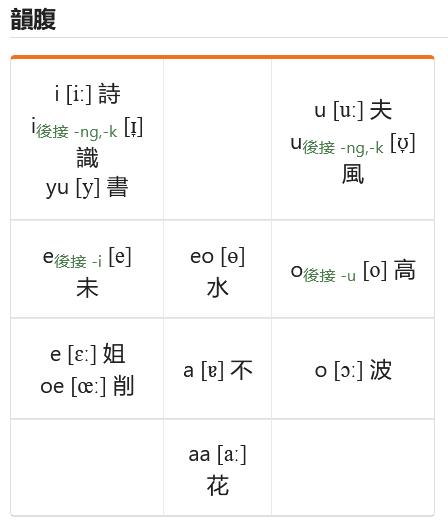
i, u, e, o 均爲一個符號對應兩個韻腹,具體所代表的韻腹取決於所搭配的韻尾。 即韻腹 e, o, i, u 在拼寫成 ei, ou, ing, ik, ung, uk 時,讀音與和其他韻尾搭配時稍有不同, 詳見表中IPA。
4. 汉语拼音字母表
Yongqiang Cheng: 汉语拼音字母表