《上下经卦名次序》
39. ䷦ 蹇 jiǎn Obstruction
¦¦|¦|¦ OBSTRUCTION
*** Outline ***
- YouTube, 易經的智慧085 39蹇卦上 越挫越勇, 曾仕强
- YouTube, 易經的智慧086 39蹇卦下 止于至善, 曾仕强
- 粵拼韻腹表
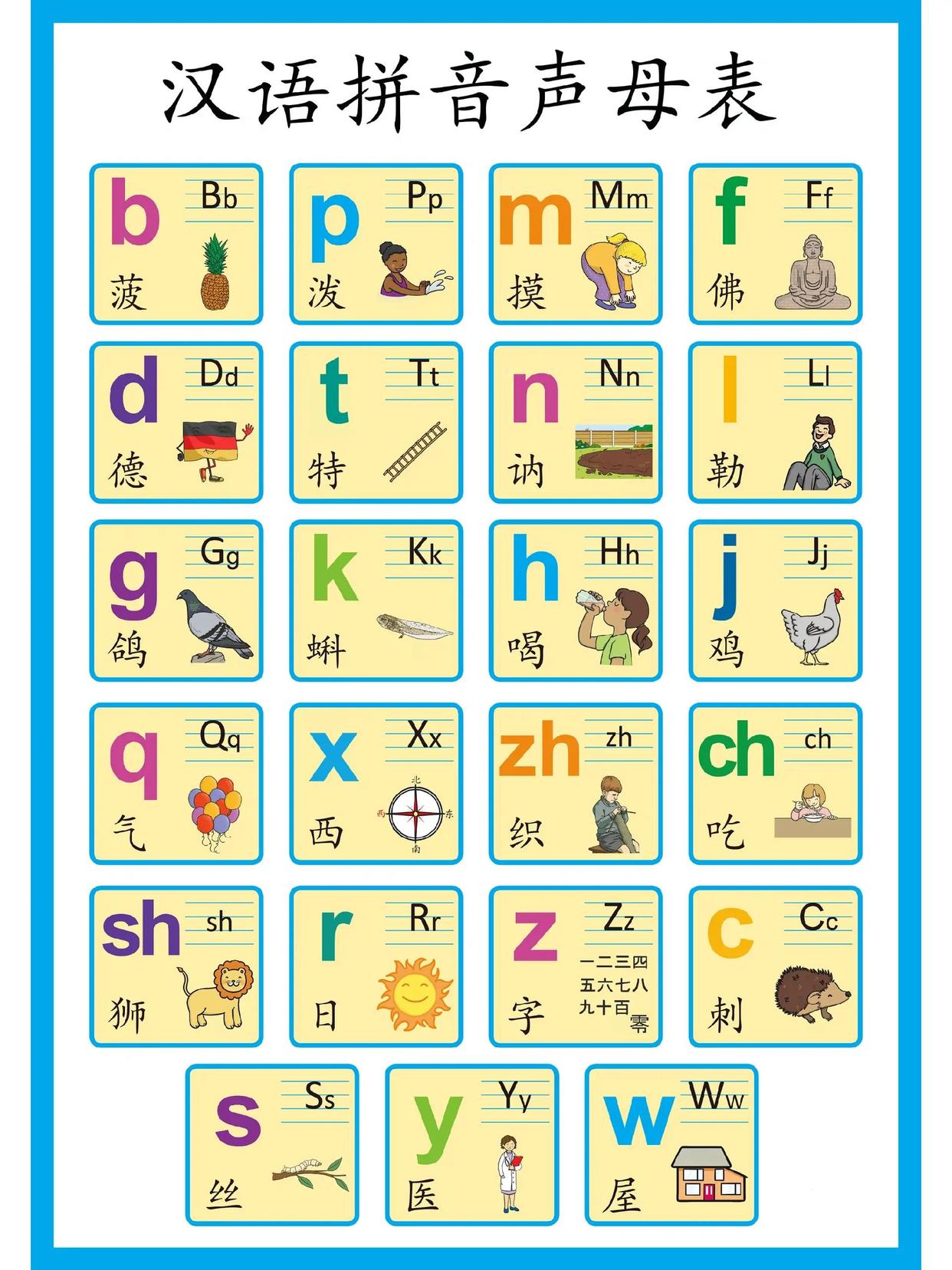
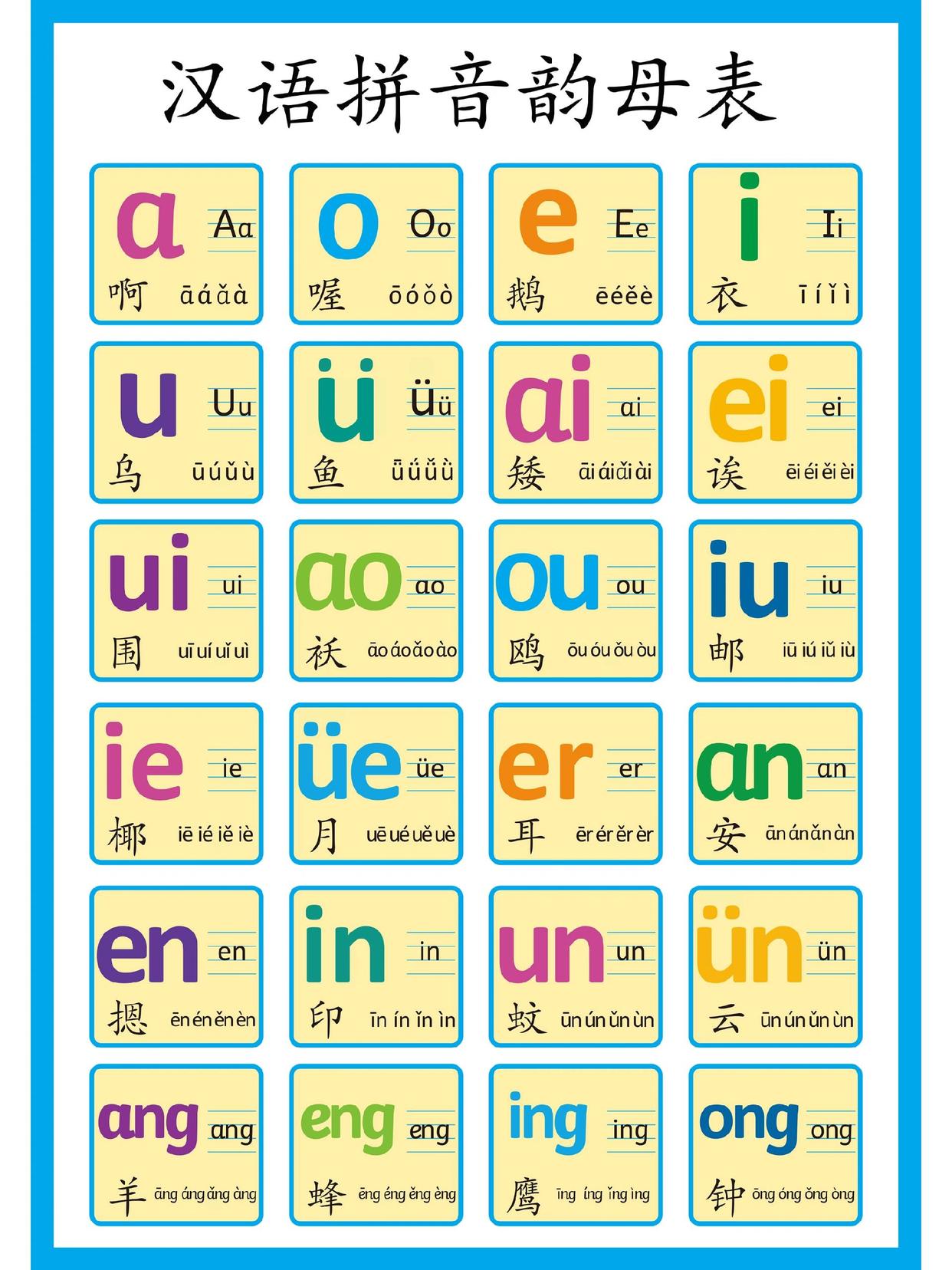
- 汉语拼音字母表
- 新浪,《易经详解》第40集:守正以待, 傅佩荣 (PDF)
- Bilibili, 傅佩荣详解易经六十四24上,
守正以待 蹇卦
- Bilibili, 易经64卦原文全解, 蹇卦, 易先生
- YouTube, 道通天地電視頻道, 解讀易經II, 第五十二集 蹇卦 余中哲老師
1. YouTube, 易经的智慧085 39蹇卦上 越挫越勇, 曾仕强
* 新浪,《易经的智慧》第84集(第39蹇卦):[越挫越勇 (yuè cuò yuè yǒng) (jyut6 co3 jyut6 jung5) The more setbacks, the stronger they become / Plus on essuie d'échecs, plus on se renforce], 曾仕强 (PDF)
* 《易经的智慧》4 第85集:越挫越勇,曾仕强
* 美篇,《易经的智慧》第85集蹇卦(上):越挫越勇, 曾仕强
* 美篇,《易经的智慧》第85集蹇卦(上续):越挫越勇, 曾仕强
* 蹇卦:越难越要走的人生智慧, 听播客,上小宇宙!
* 知乎, 人生4大难, 每个人迟早都会遇到! 躲不掉, 逃不了, 曾仕强学堂
* YouTube, 易经的智慧085 39蹇卦上 越挫越勇, 曾仕强
(一)

一个人从一出生,就将面临种种难(難)题,如屯 (tún) (tyun4)
卦的[始生之难 the difficulty of birth / la difficulté de l'accouchement],
困卦的[道穷(窮)力竭 (dào qióng lì jié) (dou6 kung4 lik6 kit3) at
the end of one's rope / à bout de ressources],以及蹇卦的[骑虎难下
(qíhǔnánxià) (ke4 fu2 naan4 haa6) between a rock and a hard place /
être dos au mur]。面对[灾祸(災禍) (zāihuò) (zoi1 wo6)
disaster]每个人都[避之不及 (bì zhī bùjí) (bei6 zi1 bat1 kap6) can't
get away fast enough / on ne peut pas y échapper]。
而蹇卦却提醒我们,再难走,还是要走。那么,既然要走,
又应该注意哪些问题呢?卦辞中所说的利西南,不利东北,
究竟有着怎样的深意?是不是只要选对了方向,走对了路,就能令我们[摆(擺)脱
(bǎituō) (baai2 tyut3) get rid of / se débarrasser de]困境呢?
一般正常的情况,水从哪里来?从天上来,因为它会下雨。下雨后, 那么山上呢?它有树木,也有一些小坑坑,或者大的池子,它就把水蓄积在那里。 如果水畜积在那里,它没有流下来,那就变成了水山蹇。
人,不可能不碰到这种状况。什么状况呢?就是前面有水,叫做坎险;后面有山,叫做艮山。

那合起来就是高山恶水。那你怎么办?你就感觉到,这个难走,这条路可难走了!
就好像以前我们说的,
[《
蜀道难》(shǔ dào nán) (suk6 dou6 naan4) hard roads to Sichuan /
Shu: 蜀, the ancient name of Sichuan province. The road to Shu: 蜀道,
usually referring to roads to Sichuan from Shaanxi province /
是唐代大诗人李白的代表诗作]走,一样的道理。
[雜(杂)卦传 Dixième Aile. Les Hexagrammes entrecroisés]:
《杂卦传》一个字就点出来了。

蹇,难(難)也。
(jiǎn, nán yě)
(gin2, naan4 jaa5)
-------------------------
{ctext.org}:
Hard toil and danger have in Jian their home.
-------------------------
{Cyrille J.-D. Javary et Pierre Faure}:
蹇,OBSTRUCTION
难也。difficultés.
-------------------------
{wen.fr}:
Obstruction : difficulté.
-------------------------
{知乎}:
《杂卦传》中说:“《蹇》,难也”,《蹇》卦卦象,山高水深,苦难重重,
与《序卦传》所表达的意思相同。
-------------------------
你看蹇这个字就有点像寒,下面两点水变成足,
就是寒足。
实际上,我们比较容易看到的就是[跛脚(腳) (bai1 goek3) (bǒjiǎo)
lame / boiteux],跛脚的[通俗说 (tōngsú shuō) (tung1 zuk6 syut3)
in simple terms / en termes simples]叫长短脚。
其实,人两只脚经常都是不一样长的,只不过有的人[差异(異) (chāyì)
(caa1 ji6) difference]比较大一点,走起来才一拐 (guǎi)
(gwaai2) 一拐的。我们就看出来,这种人很难走路,走路有[困难 (kùnnán)
(kwan3 naan4) difficulty]。进无路,退也无路,然后[你又不良于行
you have difficulty walking again / tu as encore du mal à
marcher],那糟糕了,[那人生真是很困苦 life really is very hard /
la vie est vraiment très difficile]。
[序卦传 Neuvième Aile. L'ordre de succession]:

《睽》者乖也,乖必有难,故受之以《蹇》。
(“Kuí” zhě guāi yě, guāi bì yǒu nán, gù shòu zhī yǐ “jiǎn”)
(《kwai4》ze2 gwaai1 jaa5, gwaai1 bit1 jau5 naan6, gu3 sau6 zi1
ji5《 gin2》)
Almost all Chinese dictionaries provides two definitions of
乖
guāi, one of which conveys the original meaning of 乖 guāi,
that is, “disobey” and “disharmony”, whereas the other
definition states that the character means “obedient”, “smart”
and “clever”, which is the opposite of the original meaning,
and is called the transferred meaning. Obviously, the two
meanings of 乖 guāi are opposite and therefore it is a contronym.
-------------------------
{ctext.org}:
Kui denotes misunderstanding and division; and such a state is
sure to give rise to difficulties and complications.
Kui therefore is followed by Jian.
-------------------------
{wen.fr}:
《睽》者乖也,Diverger correspond à se séparer.
乖必有难,Se séparer est nécéssairement embarrassant.
故受之以《蹇》。C’est pourquoi vient ensuite “Obstruction”.
-------------------------
{知乎}:
《序卦传》中说:“乖必有难,故受之以《蹇》。
在经历了《睽》卦的背离之后,一定会遇到艰难险阻,所以接下来就是《蹇》卦。
-------------------------
《序卦传》它告诉我们,这个蹇卦是怎么来的。
(3:08)
(二)
《序卦传》说:睽者,乖也,乖必有难,故受之以蹇。 一旦集团内部出现[分歧 (fēnqí) (fan1 kei4) disagreement / désaccord],[人心乖离 a division among the people / un décalage entre les cœurs],[就会面临重重危险 will face numerous dangers / on s'expose à de nombreux dangers],[甚至陷入绝境 even in a desperate situation / voire se retrouver dans une situation désespérée]。[此时切记 at this time, remember / à ce moment-là, souvenez-vous]蹇卦卦辞的[忠告 advice / conseil]:蹇,利西南,不利东北,利见大人,贞吉。 那么,这里的西南与东北, 究竟指的是什么呢?是不是选对了方向,就能令我们摆脱困境呢?

蹇,你从那个卦形来看,你看不出它有什么跛脚的样子,没有。
它从第二爻到最上爻,统统都是当位的,只有初六爻不当位。
你看它跟既济 (jì jì) (gei3 zai3) 卦很像很像,如果把初六爻 (yáo)
(ngaau4) 变成初九爻,那就是很完整的既济卦了。

这个就告诉我们,你不要看它困难重重,你不要看它[进退为艰 caught between a rock and a hard place / être pris entre le marteau et l'enclume],你也不要认为自己单独的力量太薄弱, 没有办法冲破这些困难,不要这样想。
如果这样想,你就不懂得蹇卦了。蹇卦是告诉你,你看它很复杂,看它很险阻 (xiǎnzǔ) (him2zo2)。实际上它是很清楚的,你只要第一关走好, 所以我们为什么说做事起头难,为什么说[你迈 (mài) (maai6) 出去第一步的时候 when you take your first step / au moment où tu fais le premier pas],要特别小心?你看迈出第一步错了, 那你以后怎么[纠正 (jiūzhèng) (dau2 zing3) correct / corriger]都很困难。
蹇卦的意思是

[不利于行 (bù lìyú xíng) (bat1 lei6 jyu1 hang4) not
conducive to travel / peu propice aux voyages],而不是叫你不要走。
你看到困难你就停止了,看到困难就躲避了,就逃了,那个不是蹇卦。
蹇卦告诉你,要面对困难,哪怕是重重重重,你也要一关一关去突破。
虽然你现在是不利于行,可是你不能放弃。那不能放弃怎么办?
蹇卦卦辞:
那你就要选往哪边走对你比较有利,所以卦辞告诉你:

蹇,利西南,不利東北;利見大人,貞吉。
(jiǎn, lì xīnán, bùlì dōngběi; lì jiàn dàrén, zhēnjí.)
(gin2, lei6 sai1 naam4, bat1 lei6 dung1 bak1; lei6 gin3 daai6 jan4,
zing1 gat1.)
-------------------------
{ctext.org}:
In (the state indicated by) Jian advantage will be found in
the south-west, and the contrary in the north-east.
It will be advantageous (also) to meet with the great man.
(In these circumstances), with firmness and correctness,
there will be good fortune.
-------------------------
{Cyrille J.-D. Javary et Pierre Faure}:
蹇,OBSTRUCTION
利西南,Profitable le Sud-Ouest
不利東北;Pas profitable le Nord-Est
利見大人,Profitable d'aller voir quelqu'un d'envergure
貞吉。Présage d'ouverture
-------------------------
{wen.fr}:
蹇利西南,Obstruction profitable au sud-ouest.
不利東北;Non profitable au nord-est.
利見大人,Profitable de voir un grand homme.
貞吉。La persévérance est propice.
-------------------------
{Ch. de Harlez}:
Énergie dans les difficultés ;
peut réussir d’un côté et pas de l’autre.
Par son succès se montre le grand homme.
Sa perfection est heureuse et peut sauver des périls.
-------------------------
{知乎}:
【注释】
蹇:卦名,意为“跛足,走路限难”。
利西南,不利东北:利于向西南,不利于向东北。
利见大人,贞吉:利于出现大人,守正吉祥。
【译文】《蹇》:利于向西南行动,不利于向东北。此时利于出现大人,
只要坚守正道,就能获得吉祥。
【解析】
《蹇卦》讲的是事初之难,在实现某项目标的开始阶段,条件还够不完备,
存在诸多困难或不足。此时,明智的做法是:见险而止,蓄势待发。
《彖辞》中所说:“见险而能止”,强调的就是见险而止的道理。
《象辞》所说:“反身修德”,强调的就是蓄势待发的道理。
-------------------------
蹇,利西南。

你往西南去走,为什么利西南呢?因为西南是坤的卦位,坤代表[平坦 (tǎn)
(taan2) 的大路 a flat, wide road / une grande route plate],
那平地比较好走。你脚又不好,那你又选那个[崎岖 (qíqū) (kei1 keoi1)
rugged / accidenté]难行的地方去走,[那不跟自己过不去吗 wouldn't
that be making things difficult for yourself / cela ne vous
compliquerait-il pas la tâche]?所以你就选西南那个路比较平,
你就去走吧。
不利东北,
因为东北是艮 (gěn) (gan3) 卦,东北多山,其实山跟水一样的,
刚开始看好像很清楚,但是你一旦进入以后,你就很容易迷路。
可是当你找到方向之后,你是不是就能够很放心地走呢?当然不行。
它马上告诉你,利见大人。
大人指的是谁?就是九五。它的意思就告诉我们,
你时时刻刻都会碰到那种很不顺的一种情况,这个时候,
你最好有良好的领导人物,来带着大家走向光明的大道。
因此卦辞特别指出来,要利见大人,
在这个卦就指的是九五。
就会怎么样?贞吉。

贞吉的意思就是说你要很贞正。
同時你要[永恒 (yǒnghéng) (wing5 hang4) 不变
everlasting / éternel et immuable],它有两个意思。好,我一旦原则决定了,
那我不能说[在那一瞬 (shùn) (seon3) in that instant / à cet
instant précis],我又忘记了,我又胡来了,那不行。
(7:21 )
(三)
蹇卦的卦辞告诉我们,[若 (ruò) (joek6) 想摆脱困境 if you
want to get out of trouble / si vous voulez vous sortir d'affaire],
不但要选择当前对自己最为有利的方式与方法,同时还要坚持自己的原则,
[其意 its meaning / sa signification]与《中庸》中[所提倡 (chàng)
(coeng1) 的 advocated / préconisé]因时制宜,执中守正的道德标准有着异曲同工之妙。
那么,蹇卦的彖辞又会对卦辞做出怎样的解释与补充呢?
因时制宜就是与时俱进,通权达变,随机应变
执中守正就是恪守中道,坚持原则,不偏不倚,无过无不及。
蹇卦彖辞:

蹇,难也,险在前也。
见险而能止,知矣哉!
蹇,利西南,往得中也;
不利东北,其道穷也。
利见大人,往有功也。
当位贞吉,以正邦也。
蹇之时用大矣哉!
(Jiǎn, nán yě, xiǎn zài qián yě.
Jiàn xiǎn ér néng zhǐ, zhī yǐ zāi!
Jiǎn, lì xīnán, wǎng dé zhōng yě;
bùlì dōngběi, qí dào qióng yě.
Lì jiàn dàrén, wǎng yǒugōng yě.
Dāng wèi zhēn jí, yǐ zhèngbāng yě.
Jiǎn zhī shí yòng dà yǐ zāi!)
(gin2, naan4 jaa5, him2 zoi6 cin4 jaa5.
gin3 him2 ji4 nang4 zi2, zi1 ji5 zoi1!
gin2, lei6 sai1 naam4, wong5 dak1 zung1 jaa5;
bat1 lei6 dung1 bak1, kei4 dou6 kung4 jaa5.
lei6 gin3 daai6 jan4, wong5 jau5 gung1 jaa5.
dong1 wai2 zing1 gat1, ji5 zing3 bong1 jaa5.
gin2 zi1 si4 jung6 daai6 ji5 zoi1!)
-------------------------
{ctext.org}:
蹇,难也,险在前也。There is (the trigram expressive of)
perilousness in front.
见险而能止,知矣哉!蹇,利西南,往得中也;不利东北,其道穷也。
When one, seeing the peril, can arrest his steps (in accordance with
the significance of the lower tri. gram), is he not wise? (The
language of) Jian, that 'advantage will be found in the south-west,'
refers to the (strong fifth line) advanced and in the central place.
That 'there will be no advantage in the north-east,' intimates that
the way (of dealing with the Jian state) is exhausted.
利见大人,往有功也。That 'it will be advantageous to see the great
man,' intimates that advance will lead to achievement.
当位贞吉,以正邦也。蹇之时用大矣哉!That the places (of the different
lines after the first) are those appropriate to them indicates
firm correctness and good fortune, with which the regions
(of the kingdom) are brought to their normal state. Great indeed
is the work to be done in the time of Jian!
-------------------------
{wen.fr}:
蹇,难也,险在前也。Obstruction : c’est la difficulté. Le péril est
devant.
见险而能止,知矣哉!Voir le péril et être capable de s’arrêter :
voilà la sagesse !
蹇利西南,往得中也;不利东北,其道穷也。Obstruction profitable au
sud-ouest : aller et obtenir le centre. Non profitable au nord-est :
sa voie s’épuise.
利见大人,往有功也。Profitable de voir un grand homme. Aller est propice.
当位贞吉,以正邦也。Tenir fermement la position appropriée est propice :
c’est ainsi qu’on rectifie le royaume.
蹇之时用大矣哉!Qu’il est grand l’usage opportun de l’Obstruction !
-------------------------
{Ch. de Harlez}:
Kién est difficulté, danger se présentant en face ;
si, voyant le danger, on sait rester ferme, quelle grande sagesse !
Le succès ou l’insuccès vient de ce que l’on garde la voie droite
ou que la sagesse est à bout.
On reconnaît à cela l’homme vraiment grand et plein de mérites.
Il faut rester ferme dans la justice et la bonté pour établir
fermement un État.
Oh ! que le moment des difficultés a d’importance !
-------------------------
{知乎}:
【注释】
见险而能止,知矣哉:知通“智”。看到险阻能够停止,真是智慧呀。
往得中也:前往能得到适中的位置。
其道穷也:道路穷尽。
往有功也:前往必有功劳。
以正邦也:用来端正国家。
《蹇》之时用大矣哉:时,善,好。艰难的美好作用实在太大了。
【译文】《彖辞》说:《蹇》卦就是艰难、困难的意思,前面有险阻。
看到险阻能够停止,这是智慧的选择。
《蹇》卦,利于向西南行动(西南是“坤”的方向,地势平坦),
是因为前往能得到适中的位置。不利于向东北(东北是“艮”的方向,山高艰险),
是因为那边道路穷尽。
利于出现大人,是因为前往必有功劳。
所居位置得当又能坚守正道故而可以得到吉祥的结果,这样就能够治国安邦。
《蹇》卦时势的作用实在太大了!
-------------------------
{知乎}:
蹇的《彖传》说:见险而能止,知矣哉!理解了这一点,也就理解了本卦的本义。
卦上有山上有水之象,坎为险,艮山虽有阻。遇险而止,就不会有咎。
对于蹇卦而言,险在艮,在于止。因为停止了,所以蹇难并没有给各爻带来灾祸。
即使唯一失位得初爻也因为不往而来受到赞誉。
其余则是六二上应九五,虽有所往,然为公事,所以无忧。
九三、六四知难而返;九五得友来归,
上六因为与九三相应,心志在内,所以吉利。
《彖传》说:蹇,指行路艰难,因为坎险在前面。遇见险难而能停止下来,可谓明智之举!
蹇,“有利于西南”,这是因为西南会得中适宜;“不利于东北”,这是因为山前有险,
道路穷途;“有利于出现大人”,因为危难之时出现大人会建功立业;
九五当位守正,吉祥,能够以正道治理邦国;这说明世道艰难时,“大人”的作用是多么重大。
蹇,见险能止,不是说畏难不前,而是要知难而止另外想办法,不盲目冒进,
是一种明智的行为。
卦里的利西南,是因为坤卦里有“西南得朋,东北丧朋”。
这里的坎,是由坤卦演变而来,所以利西南。
不利东北,艮在东北方位,因为停止了,所以“道穷”。
利见大人,往有功也。当国家处于艰难之时,
领导人能够与大众共患难,再大的困难也能克服,所以有功。
当位贞吉,以正邦也,九五与六二当位,所以吉祥。
君子以反身修德。只要能反省自己,遇见蹇也没有问题。
-------------------------
[彖辞 (tuàn cí) (teon3 ci4) commentary on the Judgments / commentaire sur les jugements]是来解释卦辞的,所以卦辞里面的每一句话, 都会再一次地出现在彖辞上面。我们先看:
蹇,难也就是难走的路才叫蹇。
你看难,有好几个卦都是难,屯卦不难吗?
始生之难,刚刚要诞生出来那个很难的情况,那是一种难。
困卦也是难。困卦难在哪里?难在[道穷力竭 (dào qióng lì jié)
(dou6 kung4 lik6 kit3) at the end of one's rope / à bout de
ressources],想做也没有力气。现在呢?现在蹇这个难不一样,
蹇的难是[当前的险阻 (xiǎnzǔ) (him2 zo2) current challenges /
les obstacles actuels]。

所以,对于《易经》它每一个卦,你一定要把它分得很清楚,同样难,但是不同的状况。
所以它前面讲了难以后,紧接着就告诉你:险在前也。
你的险阻就在眼前。你看前面有水,这个水多深也不知道。然后呢?背后是一座山,
你想退也退不了。但是蹇的意思告诉你,一句话你千万不要忘记,
难走难走还是要走,那个重点在还是要走,你不能我就坐在那里,
坐在那里就是[坐以待毙(斃) (bì) (bai6) sit idly by and wait for
disaster / attendre passivement la mort]了。人生离不开这四个字,
叫做[艰难险阻
(艱難險阻) (jiānnán xiǎnzǔ) (gaan1 naan4 him2 zo2) hardships and
obstacles / difficultés et obstacles / 人的一生要经历许多挫折,
挫折在许多时候并不是坏事,它能磨练人的意志,能激人奋进。古往今来,
许多成就大业者都是历经磨难之人,在经历艰难险阻之后,
他们最终达到了自己事业和人生的顶峰。同样地,在学习中,
人可能会遇到不懂的问题,只要及时请教,加深理解,
就一定能不断地提高自已的知识和能力]。你时时刻刻要去面对,你可以逃避,
你不愿意逃避,那你就勇敢地面对现实。然后一句话,

[再难走,我还是要走 no matter how difficult it is to walk,
I still have to walk / même si marcher est difficile, je dois
quand même marcher],你就得到蹇卦的要领了。
你看《易经》告诉你,这是很困难的,[然后鼓励你,你要去突破 (túpò) (dat6 po3) and I encourage you to push past your limits / et puis, je t'encourage à aller de l'avant]。 可是他马上又告诉你,你要见险而能止, 你不要[有勇无谋 (yǒu yǒng wú móu) (jau5 jung5 mou4 mau4) brave but reckless / courageux mais téméraire],困难我就冲,那叫敢死队, 那叫不要命,你看多少人一拼,死掉了,死掉了后边没有成就,没有成果了, 那不是白死了。中国人是不怕牺牲,中国人最怕的是无谓的牺牲,这一定要分清楚。
你说中国人怕死。不错,他很怕死,不该死的时候,我为什么要死? 中国人有的时候很不怕死,不怕死到让全世界的人都觉得有这么不怕死的人, 有,怎么没有?历史上多的是这样的人,要死得有价值,[死有重于泰山, 也有轻于鸿毛 some deaths are more weighty than Mount Tai, while others are lighter than a wild goose feather / this proverb comes from Sima Qian (司马迁), the great Han Dynasty historian]。 如果重于泰山,死,[心甘情愿 willingly / volontiers]。 如果轻于鸿毛,那你死干什么?不是被人家笑?
知矣哉!
一看到险,而能够适当地停止下来,干吗?动脑筋啊,我想办法。
所以你看,知矣哉![那个智就出来了 that
wisdom comes out / cette sagesse se manifeste],
你的智慧,才智,看到险,你会停下来动脑筋,他就表现出来了。
蹇,利西南,为什么?因为往得中也。
往:往前走。
[你的方向明确 (què) (kok3) you know exactly where you're going],
你又走得合理,就是我们刚刚才讲的,方向,方法,方式,
你三个要去调整到很合适的时候,那就往得中也。
那为什么又不利东北呢?
因为其道穷也,那边是行不通的。
其实在这里不完全是说好走不好走的问题,它在告诉我们,你如果受到暴力,
你如果受到外力无理的干扰,你想要走出一条路来,你应该采取和平的方式,
而不是采取[以暴制暴 use violence to combat
violence]的那种方法。你对我不好,我对你更不好;
你打我,我打得更重。那也是突破,那也叫突破难关了,
可是那就是其道穷也,那最后是行不通的。
利见大人,往有功也是什么意思?
就是说我们大家一起依靠这个九五。
九五凭什么叫做大人?因为它是以德来拯济险难,
它不是用武力来解决所有的暴力问题,它不是。
当位贞吉,你看六个爻在某种意义它们都是当位的。 那不是刚刚才讲过,初六不当位吗?那为什么当位呢?其实初六,我本来是阳刚之爻, 本来我就应该潜龙勿用嘛,那这时候[我干脆 (gāncuì) (gon1 ceoi3) 表现得更柔软一点 I might as well try to be a little more flexible / je vais tout simplement me montrer un peu plus conciliant],那不是大家更小心吗?所以从这个角度来看,初六也是当位的。
这当中的用意是什么?以正邦也。 它的目的就是说你只有这样子, 你才能够使得邦国都是很正的一个风气。
因此它就告诉我们,

蹇之时用大矣哉![智慧 (zhìhuì) (zi3 wai3)
是不会随时而改变的 wisdom does not
change with the times],所以叫做时用大矣哉。
适时把它拿出来用,找到人,找到合适的方法,用对了地方,
蹇卦的险难就化解掉了。虽然你是一个跛脚的人,你走路很不方便,
但是你找到那个比较好走的路,你也不会输给人家。
(14:48)
(四)
彖曰:蹇,难也,险在前也。 说的便是蹇山上有水的凶险之象,提醒我们, 危险就在眼前。然而,自然界中存在着很多山上有水的景象, 比如[天池就是位于高山之上的湖泊 a sky lake is a lake located high in the mountains]。那么,为何如此美景[却预示 (què yùshì) (koek3 jyu6 si6) 着危险 but it foreshadowed danger / mais cela présageait un danger]呢?蹇卦的卦象究竟有着怎样的玄机呢?
古人他看象是这样看的,如果找到出路了,它就流下来了,就变成山下出泉,
那就叫山水蒙。

一[启蒙
enlightenment / éclaircissement],你就知道,啊!原来如此!那就很容易拿桶,
到那个出水口去提那个水回去喝。你看到现在还是这样,很多的瓶装的水,
也就是找到那个泉水口,然后把它围起来,那就是他的水源。
如果那个水它还留在山上,那我们就把它叫做天池,它的风光很美,
大家争着去观光,那种水它的[基底 (jīdǐ) (gei1 dai2) base]是很坚牢的,
你很少听到说天池[崩裂 (bēngliè) (bang1 lit6) crack / fissure]了,
那还得了![那周遭 (zhōuzāo) (zau1 zou1) 所有人都不能活了 no one
around there would survive / tout le monde dans les environs
allait mourir]!可见我们这里所讲的水山蹇,

不是指天池。我们是指那个突然间形成的,一阵暴风雨,然后那个水排不掉,
就积在那里,我们给它个名词,叫做[堰塞湖 (yàn sāi hú) (jin2
coi3 wu4) barrier lake / lac barrière]。这个堰塞湖它如果一崩裂的话,
那周遭村庄的居民,[房子也冲(沖)垮 (chōngkuǎ) (cung1 kwaa1) 了 the
house was also swept away / la maison a également été emportée
par les eaux],人也不见了,那真是非常不幸的灾难。
所以这个卦虽然创造在很久很久以前,我们现在用堰塞湖来了解它,
那就非常相近。
蹇卦大象:

山上有水,蹇;
君子以反身修德。
(shān shàng yǒu shuǐ, jiǎn;
jūnzǐ yǐ fǎnshēn xiū dé.)
(saan1 soeng6 jau5 seoi2, gin2;
gwan1 zi2 ji5 faan2 san1 sau1 dak1.)
-------------------------
{ctext.org}:
(The trigram representing) a mountain, and above it that for water,
form Jian. The superior man, in accordance with this, turns round
(and examines) himself, and cultivates his virtue.
-------------------------
{Cyrille J.-D. Javary et Pierre Faure}:
山上有水,Au-dessus de la montagne il y a l'eau
蹇;OBSTRUCTION
君子以 L'Être Accompli ainsi
反身 en faisant retour sur lui-même
修德。aiguise sa conduite
-------------------------
{wen.fr}:
山上有水,Au-dessus de la montagne il y a l’eau.
蹇;Obstruction.
君子以反身修德。Ainsi l’homme noble, par retour sur lui-même,
cultive sa vertu.
-------------------------
{Ch. de Harlez}:
L’eau sur une montagne.
Par la vertu de l’énergie,
l’homme sage se corrige et perfectionne sa vertu.
-------------------------
{知乎}:
【注释】
山上有水,《蹇》:山上有水,就是《蹇》卦。
君子以反身修德:君子因此反省自身修养品德。
【译文】《象辞》说:山上有水就是《蹇》卦的卦象。君子应该由此得到启示:
要反省自身提高道德修养。
-------------------------
山上有水就告诉我们,这个山上面不应该有这样的水积在那里, 那它为什么留在这里?就是因为它流动不方便,它找不到出路,那它能不能[稳固 (wěngù) (wan2 gu3) firm / solide]呢?它又不能稳固,因为你要停止它, 实在讲也是很困难的,那怎么办?你就要小心了,[一旦聚 (jù) (zeoi6) 得足够了就开始崩裂 (bēngliè) (bang1 lit6) once enough has gathered, it begins to crack / dès qu'il y en a suffisamment, ça commence à se fissurer],那不但是险难,而且是灾祸。
君子看到这种状况,就会反身修德,我想这是《易经》最宝贵的地方, 也是现在人最值得注意的。《易经》告诉我们,当你碰到什么事情的时候, [你不要盲目地屈从(從) (qūcóng) (wat1 cung4) don’t blindly give in / ne te soumets pas aveuglément],[不要过分地冒险犯难 don’t take excessive risks / ne prenez pas de risques inutiles], 你先安静下来动动脑筋,[反省自己 reflect on oneself / faire son introspection],我一定有什么做得不对的地方,[我一定有什么思虑 (lǜ) (leoi6) 不周的地方 I must have overlooked something / j'ai dû oublier quelque chose],我平常是不是太大意了, 那我就开始把这部分把它补起来,把它修好,然后再出发,使得[艰难困苦 hardships / épreuves et difficultés]会变成一种什么? 变成一种对自己最好的磨练,而是不躲避。 这样叫做反身修德。 这是君子看到高山恶水,他所得到的一番启示。
我们在事物发展的过程当中,经常是有[曲折 (qūzhé) (kuk1 zit3) 不顺的现象 the phenomenon of twists and turns / le phénomène des rebondissements]。其实我们也都知道,那个水流下来,如果不是曲折不顺的话, 人类根本没有水喝,哪里有水喝?从山上来[一路畅 (chàng) (coeng3) 通 smooth all the way / voyage sans encombre],今天的话叫做[绿灯(燈)全开 full green light / feu vert total],一下到海里面去, 那本来是淡水的也变成咸水了,那你怎么喝?
可见这个曲折不顺,这是对人类有好处的,那我们把它看成它是险阻,也没有关系, 那你就从治水的经验,[你知道要治水只能够用输导(導) (shū dǎo) (syu1 dou6),不能用堵塞 (dǔsè) (dou2 sak1) you know that the only way to manage water is through diversion, not by blocking it / tu sais bien que pour réguler les eaux, il faut les canaliser, et non les bloquer],因为水这个东西,你抵挡它是抵挡不住的。
那如果是火呢?[火就用隔离的方法 use isolation methods for fire / utilisez des méthodes d'isolation contre l'incendie]。 [所以水要用疏通 (shūtōng) (so1 tung1),火要用隔离 therefore, water needs to be dredged and fire needs to be isolated / il est donc nécessaire de draguer l'eau et d'isoler le feu], 这都是《易经》告诉我们的。现在人他认为自己都很聪明,都是我想的。 你去看看《易经》,我们所想的东西,没有一样不在《易经》上,那才叫智慧。
(20:27)
(五)
孟子曰:[行有不得者,皆反求诸己,其身正而天下归之。
when things don't go as planned, one should always look inward
for the cause. If one's conduct is upright, the world will follow
one's lead / quand les choses ne se déroulent pas comme prévu, il
faut toujours s'interroger sur les causes profondes. Si l'on se
comporte de manière intègre, le monde suivra notre exemple]
意思是说君子遇到困难,首先一定要省察自己,看看困境是不是由自己造成的,
或者想想如何化解难题,也就是蹇卦所说的反身修德。那么,除此之外,
我们还应该注意哪些问题呢?蹇卦的宗旨又是什么呢?
行有不得者,
皆反求诸己,
其身正而天下归之。
(xíng yǒu bùdé zhě,
jiē fǎn qiú zhū jǐ,
qí shēn zhèng ér tiānxià guī zhī.)
(hang4 jau5 bat1 dak1 ze2,
gaai1 faan2 kau4 zyu1 gei2,
kei4 san1 zing3 ji4 tin1 haa6 gwai1 zi1.)
-------------------------
{ctext.org -> 宋明 -> 朱子语类 -> 孟子六 -> 离娄上 -> 爱人不亲章 -> 1}:
if there are things in one's conduct that do not achieve
success, always reflect inwardly and seek the cause within
oneself. When one's own person is upright, the whole world
will come to him.".
-------------------------
{Wikisource}:
When we do not, by what we do, realise what we desire,
we must turn inwards, and examine ourselves in every point.
When a man's person is correct, the whole kingdom will turn
to him with recognition and submission.
-------------------------
[人生就是艰难险阻的历程 (lìchéng) (lik6 cing4) life is a journey of hardships and obstacles / la vie est un voyage semé d'épreuves et d'obstacles]。[整个的经历 (jīnglì) (ging1 lik6) the whole experience / toute cette expérience]大概不是艰就是难,然后险,或者阻, 你要让它通,你不能不让它通,不让它通你永远在蹇的情况之下,寸步难行, 那是很痛苦的,跟着你的人也很痛苦。
那怎么办?你要注意两点:一个叫你的坚定,[你的宗旨要不折不挠(撓) (náo) (naau2) your commitment must be unwavering / tu dois rester fidèle à tes principes]。第二个,[你的用心 your intention]。 为什么要用心?因为它变化很多嘛,所以你必须要走一步算一步,随时都很[谨慎 (jǐnshèn) (gan2 san6) cautious / prudent],随时都很小心。 但是心情要很快乐,[很舒畅 (hūchàng) (syu1 coeng3) very comfortable], 很轻松才能持久,要不然你一下子就[精疲力竭 (jié) (kit3) exhausted / épuisé]了,那还有什么办法?

你看全卦它有四个阴爻,只有两个阳爻。
九三跟九五,这唯一的两个阳爻,[它都是陷 (xiàn) (ham6) 在 they are
all trapped in / ils sont tous piégés dans]上下都是阴爻的那种包裹之中。
意思就是说你很刚强,但是这个时候你不适合完全表现出来,
你要用柔你不要用刚,一再提醒你。那你也可以说对刚来讲,它是很难的。
因为它不[舒畅 (shūchàng) (syu1 coeng3) comfortable],
我想发挥你又[阻挡(擋) (zǔdǎng) (zo2 dong2) block]我,
我阳刚之气又被你阴柔[所抵制住 (dǐzhì zhù) (dai2 zai3 zyu6) 了
managed to resist / a résisté],那我当然不舒畅了。所以难就是不舒畅,
不舒畅要想法舒畅,那你就要想办法,
怎么样去把这个艰难,把它排除掉,那这个它就告诉我们,你要一步一步去走。
什么叫一步一步?首先,先结合一般的同志,[大家培 (péi) (pui4) 养共识 everyone is working to build consensus / nous avons tous trouvé un terrain d'entente],[增进 (zēngjìn) (zang1 zeon3) enhance / améliorer]团结的力量。如果你要求得道多助的话, 那你就要有大人的品德,要让人家对你信任,大家愿意追随你, 你就可以[转危为安 turn danger into safety / transformer le danger en sécurité]。
所以为什么卦辞特别讲,叫利见大人是有道理的。 这个时候你是领导人物,[你就要先检讨 (jiǎntǎo) (gim2 tou2) 自己,要反身修德 you must first examine yourself and cultivate your character / tu dois d'abord faire ton introspection et cultiver ta vertu]。
如果你是小人就不是这样了,你专门指责别人,“你看看!你们搞成这样子, 你们以前在干什么?你们什么什么.....?”一大堆。 那就不叫利见大人。
我们要记得,[越是艰难,越是能够生出德慧 the greater the hardship,
the more virtue and wisdom can be cultivated / c'est dans les
moments les plus difficiles que l'on développe le plus la vertu
et la sagesse]。所以彖辞里面才会这样写:
见险而能止,知矣哉!就是说,你要把它当成好事,
你不要把它当成坏事,为什么?因为它会让你有智慧,它会让你增加很多的知识,
那对你将来是有帮助的。这样我们才能够了解,为什么中国人老是说那句话,
什么[吃得苦中苦,
方为人上人 only those who have endured the most difficult
hardships can step on the topmost ones of the topmost people.
It highlights the value of perseverance and resilience / ce n'est
qu'en endurant les épreuves les plus amères qu'on peut s'élever
au-dessus des autres]。全卦的[宗旨 purpose / objectif]在告诉我们一句话:

[世界上没有解决不了的难题,只有不肯 (kěn) (hang2) 解决问题的人。
there are no unsolvable problems in the world, only people who
refuse to solve them / il n'y a pas de problèmes insolubles dans
le monde, seulement des gens qui refusent de les résoudre]
我想这一句话就是讲蹇卦的全部的精神。
读《易经》的人千万千万记住,天底下没有对跟错,没有好跟坏, 完全看你合适不合适,你合适于当时,合适于当地,合适于那个时候的那一帮人, 你就可以做了。不合适怎么办?是不是不做?当然不是不做, 《易经》从来没有告诉你不做的,不做就是等死嘛。那要怎么样?要调整, 这样就对了嘛。合适了继续走,不合适赶快调整,再不适合再调整, 所以永远是曲曲折折的。这样各位才知道中国人走的路很少是笔直的, 我们都是弯弯曲曲的,顺应各种的变化。
我们接着要来把六个爻分析一下,六个爻在告诉我们一件事情, 就是《大学》里面所讲的,止于至善。至善不是找到最好的, 天底下没有什么最好的,至善是最合适的。
《礼记大学》中说:止于至善。
不是说我找到最好的,然后我就守在那里不动,那是不可能的事情。止就是停止,
在最好的地方固守在那里,不要再让它变动了。
止于至善是找到此时此地最合理的方式,时一过又要改,又要变了,
不变你就根本活不了。
所以,善,就是合理。
2. YouTube, 易经的智慧086 39蹇卦下 止于至善, 曾仕强
* 新浪,《易经的智慧》第85集(第39蹇卦):[止于至善 (zhǐ yú zhì shàn) (zi2 jyu1 zi3 sin6) Aim at absolute perfection; arrive at supreme goodness / Viser la perfection / 止:达到;至:最,极。意为达到道德修养的最高境界或最完美的状态], 曾仕强 (PDF)
*
《易经的智慧》4 第86集:止于至善,曾仕强
* 美篇,《易经的智慧》第86集蹇卦(下):止于至善, 曾仕强
* 美篇,《易经的智慧》第86集蹇卦(下续):止于至善, 曾仕强
* 每日頭條, 曾仕強:「止於至善」就是找到最好的,然後守在那裡不動?不對!
* 科幻网,
修己安人,止于至善_归心:曾仕强说修己安人之道
“止”就是“立”,现代叫作立场。《大学》传之三章说:“为人君,止于仁;
为人臣,止于敬;为人子,止于孝;为人父,止于慈;与国人交,止于信。”
管理者站在仁的立场,追随者站在敬的立场,无论组织内外,都要坚持信的立场。
这样,各方面站在最为适当的立场上,止于至善。
“至善”的意思,是最佳、最适当、最适时,这就需要不断地调整,发挥[“不停滞”
(zhì) (zai6) no stagnation / pas de stagnation]的精神。
管理者应当体会永续的价值,如何使其立场经常保持“事理当然之极”,
以确保组织的永生,这才是止于至善的[真谛 (zhēndì) (zan1 tai3) true meaning]。
* YouTube, 易经的智慧086 39蹇卦下 止于至善, 曾仕强
(一)
作为《易经》四大难卦之一, 蹇卦[[形象地 figuratively / de manière imagée][再现了 recreated / reproduit]一个人处在高山恶水之间 it vividly depicts a person trapped between towering mountains and treacherous waters / cela illustre bien la situation d'une personne prise en étau entre des montagnes escarpées et des eaux tumultueuses],进退两难的艰难处境。 面对这种情况,有的人选择[放手一搏 (bó) (bok3) go for it / tenter le tout pour le tout],有的人却选择知难而退。 那么,究竟怎样做[才是适时的明智之举 that would be the wise move at the right time / ce serait la décision judicieuse au moment opportun]呢?俗语说:[富贵险中求 fortune favors the bold / la fortune ne s'acquiert qu'au prix de risques]。现代人所[推崇 (tuīchóng) (teoi1 sung4) 的冒险精神 the spirit of adventure that is admired / l'esprit d'aventure qui est admiré],究竟是好还是坏呢?《易经》中的蹇卦, 又会给我们带来怎样的[警示 (jǐngshì) (ging2 si6) warning]呢?
今天我们把蹇卦的六个爻[分析 (fēnxī) (fan1 sik1) analyze]一下。 蹇卦的六个爻都在告诉我们,[你在勉励 (miǎnlì) (min5 lai6) 自己 you are encouraging yourself],这是个长期的[奋斗(奮鬥) (fèndòu) (fan5 dau3) struggle]。并不是说我眼前这个难关一过,我后面就很[顺畅(暢) (shùnchàng) (seon6 coeng3) smooth / lisse]。如果是那样的话,你就会不够谨慎, 你就会[鲁莽 (lǔmǎng) (lou5 mong5) reckless / téméraire], 你就会眼睛看得太短,看不到后面的东西。我们人生本来就是长期的奋斗, 我们不是跑百米,我们是跑比马拉松还要远的,所以,你必须要保持体力, 你必须要不断地跟自己去对谈,提升自己的品德,才能够最后坚持到底。

因为六个爻的爻辞,只有到最后上六才出现一个吉,
其它的都没有。这是给我们最大的一个[警讯 (jǐng xùn) (ging2 seon3)
warning signal / signal d'avertissement]。
初六爻辞:
你看初六爻一共只有四个字:

往蹇,来誉(譽)。
(wǎng jiǎn, lái yù.)
(wong5 gin2, loi4 jyu6.)
-------------------------
{ctext.org}:
From the first SIX, divided, we learn that advance (on the part
of its subject) will lead to (greater) difficulties, while remaining
stationary will afford ground for praise.
-------------------------
{Cyrille J.-D. Javary et Pierre Faure}:
往蹇,En allant OBSTRUCTION
来誉。En venant éloges
-------------------------
{wen.fr}:
往蹇,Aller rencontre l’obstruction.
来誉。Venir apporte la reconnaissance.
-------------------------
{Ch. de Harlez}:
Si l’on va (courageusement) aux choses difficiles,
on reviendra comblé de louanges.
-------------------------
{知乎}:
初六,往前行走会遇到困难,返身归来会得到赞誉。
-------------------------
什么叫做往?往:[出去行之以天下 go out
and put it into practice throughout the world / partir à la
découverte du monde]。
什么叫做来?来:[退而待机,同时自己去调整自己
step back and wait for the right moment, while taking the time to
reflect and adjust / prenez du recul et attendez une opportunité,
tout en travaillant sur soi-même]。
初六它在下艮的开始,所以它是最先看到这个艮险,就是[险(險)阻摆(擺)
(xiǎnzǔ bǎi) (him2 zo2 baai2) 在眼前 obstacles lie ahead / des
obstacles se profilent à l'horizon]。
幸好它是不当位的,它才能够做到四个字,叫做

[见险而止 (jiàn xiǎn ér zhǐ) (gin3 him2 ji4 zi2) stop when
you see danger / arrêtez-vous lorsque vous voyez un danger]。我看到险,
我不要冲,我现在停下来,我不是不走,而是我要重新好好地[规划(劃) (guīhuà)
(kwai1 waak6) 一下 let's make a plan / fais un plan],不打没有把握的仗,
这个就叫做[往蹇 moving forward with difficulty /
vers le chemin semé d'embûches]。
我要往前走,你一定要[冲破困难 overcome difficulties /surmonter les difficultés]。冲破困难,[你要衡 (héng) (hang4) 量一下自己的能力 you need to assess your own abilities / vous devez évaluer vos propres capacités],还要衡量你跟六四的关系。 因为初六它跟六四是不相应的,不相应就是你(初六)去也没有用,那你怎么办?你就提醒自己, 你走出去太困难了。那既然前行不得,你就后退吧,因为反正就两个方向嘛。 你后退了反而得到人家的[赞誉(讚譽) (zànyù) (zaan3 jyu6) praise / éloges],说你是[识时务者(識時務者) (shí shíwù zhě) (sik1 si4 mou6 ze2) a person who knows when to adapt / celui qui sait s'adapter aux circonstances]。你是很了解当前的状况, 你用这样的回应是表示你是个有头脑的人,反而赞美你, 这个就叫做来誉。
初六小象:
为什么会这样?那你要看小象了:

往蹇,来誉,宜待也。
(wǎng jiǎn, lái yù, yí dài yě.)
(wong5 gin2, loi4 jyu6, ji4 doi6 jaa5.)
-------------------------
{ctext.org}:
'Advancing will conduct to (greater) difficulties, while remaining
stationary will afford ground for praise:' - the proper course is
to wait.
-------------------------
{wen.fr}:
往蹇,来誉,En allant, obstruction ; en revenant, éloges.
宜待也。Il convient d’attendre.
-------------------------
{Ch. de Harlez}:
Si l’on va (courageusement) aux choses difficiles,
on reviendra comblé de louanges. Il convient d’être ferme.
-------------------------
{知乎}:
《象传》:往前行走会遇到困难,返身归来会得到赞誉,这说明初六应当等待时机。
初六阴爻处于卦之初,与六四不相应,有阴柔者面临艰难而无外援之象。
在这种情况下,初六贸然前往,必会遇到更大的险事,如能及时退回,因此时涉险尚浅,
不仅自身可以保全,还会得到识时的美誉。当然,初六退回,不是止步不前,
而是为了等待合适的前往机会,所以《象传》中说“宜待也”。
-------------------------
你[必须 (bìxū) (bit1 seoi1) must / doit]要知道,

[守时待命 keeping to the punctual and awaiting orders / respecter
la ponctualité et attendre les ordres]是你当前最大的任务。
那大家会觉得这很[消极 (xiāojí) (siu1 gik6) negative],为什么要守,
为什么要待?其实我们要想想看,孔子读《易经》读那么久,最后才悟出一句话叫做:

时也,命也。
任何事情,那个时是非常重要。
时没有到,你忙了个半天,不是白费力气?时过了你再赶热闹,人家都走了,
那你不还是没有用。
你看任何产品你推出来,要看那个时对不对,大家都有[闲(閒)情逸致 (xiánqíngyìzhì) (haan4 cing4 jat6 zi3) leisure and relaxation / loisirs et détente]看小说,那你就写小说才有得看;大家都忙,生活都来不及了, 哪有钱,哪有时间,去看什么小说?那这时候,你不如写写其它的东西。 所以为什么每一个行业都有起有落,就是这个时在决定的。
我们常常讲要吃当时的东西,要吃当地的,那当时当地,就是适合这个时空的条件, 时是要守的,为什么?[因为是它在主导,不是你在主导 because it's in control, not you / c'est lui qui mène la danse, pas toi]。 你想做的时候,你要考虑时机对不对,时机对了你要去配合它, 所以完全是你要主动去追随,而不是它会反过来配合你。 所以用一个守字,你要守时,还要待命,命是你自己有没有那个福分。
这就是初六告诉我们,[有时候等待,有时候忍耐, 有时候缓一点对整个事情反而有帮助 sometimes you have to wait, sometimes you have to be patient, and sometimes taking things a little slower actually helps the situation / parfois, il faut attendre ; parfois, il faut faire preuve de patience ; parfois, prendre son temps peut au contraire être bénéfique pour l'ensemble de la situation]。
(6:44 )
(二)
人们常说:忍字心头一把刀。 年轻人刚刚[踏入社会(會) (tà rù shèhuì) (daap6 jap6 se5 wui2) enter society],往往就因为一时的不能忍,不会忍,最终[导致失败 (dǎozhì shībài) (dou6 zi3 sat1 baai6) leading to failure / conduisant à l'échec]。 而蹇卦的初六爻[则告诫 (jiè) (gaai3) 我们 this serves as a warning to us / cela nous met en garde]:一旦遇到对己不利的形势时,知难而退, [耐心等待 (nàixīn děngdài) (noi6 sam1 dang2 doi6) ]才是[明智之举(舉) (jǔ) (geoi2) un choix judicieux]。那么,当我们[拥(擁) (yǒng) (jung2) 有了 posséder]如六二爻一样的权力与地位的时候,又会面临怎样的难题呢? 为什么说《三国演义》中的诸葛亮就是六二爻的[典型 (diǎnxíng) (din2 jing4) 代表 typical representative / représentant typique]呢?
六二爻辞:
六二爻不太一样:

王臣蹇蹇,匪躬之故。
(wáng chén jiǎn jiǎn, fěi gōng zhī gù.)
(wong4 san4 gin2 gin2, fei2 gung1 zi1 gu3.)
-------------------------
{ctext.org}:
The second SIX, divided, shows the minister of the king struggling
with difficulty on difficulty, and not with a view to his own
advantage.
-------------------------
{Cyrille J.-D. Javary et Pierre Faure}:
王臣蹇蹇,OBSTRUCTION sur OBSTRUCTION pour le serviteur d'un roi
匪躬之故。Ce n'est pas sa personne qui est en cause
-------------------------
{wen.fr}:
王臣蹇蹇,Le serviteur du roi rencontre obstruction sur obstruction.
匪躬之故。Ce n’est pas dû à sa personne.
-------------------------
{Ch. de Harlez}:
Si le prince et ses ministres ont difficultés sur difficultés,
ce n’est point (nécessairement) parce qu’ils recherchent leur propre
avantage (ou : cela ne dépend pas nécessairement d’eux-mêmes).
-------------------------
{知乎}:
六二:君王的臣子往来艰难,但是,他不是为了自己,而是为了社稷。
-------------------------
为什么用王臣?

王则指九五,臣是指六二。
那臣是大臣还是小臣?臣是大臣。那九五旁边的那个六四是什么臣呢?
他是近臣。王在九五,靠近他的臣叫近臣。
可以随时常常接到皇帝的命令,叫他去传达一些事情,或者商量一些事情,
他不方便叫大臣进来的,他可以叫近臣。所以王,你要看到很清楚,他是指九五。
九五是什么?是整个卦的卦主,但是他很好,他是刚正,他不会有邪念,
[不会想整 (zhěng) (zing2) 人 he wouldn't want to play a prank on
anyone / il n'a pas envie de piéger qui que ce soit]。
那这样的话为什么用蹇蹇呢?因为你看六二是比较柔弱的,
它要去救那个刚健的王,九五,你要看看九五现在状况怎么样?

九五的上下都是阴爻,刚正的阳爻,[陷 (xiàn) (ham6) piègé]在上下两个阴爻之中,
那是什么意思?

那就是很典型的坎卦。那坎卦就是不容易突破。你(六二)本身又很柔弱,
你要完成很艰难的,拯救九五的任务,那是很艰难的。
所以,叫做蹇蹇,蹇之又蹇。
那这是什么原因呢?因为匪躬之故嘛。 不是你(六二)自己的问题,你没有错啊,[你忠心耿耿 (gěng) (gang2) you are so loyal / tu es d'une loyauté sans faille],[你又不计私利 you don't care about your own interests / tu ne penses pas à ton intérêt personnel],你要尽心去救这个九五啊,而是整个的大环境所造成的。 那你怎么办?那你只好[尽(盡)力而为 do your best / faites de votre mieux],还能怎么样?
六二小象:
所以小象说:

王臣蹇蹇,终无尤也。
(wáng chén jiǎn jiǎn, zhōng wú yóu yě.)
(wong4 san4 gin2 gin2, zung1 mou4 jau4 jaa5)
-------------------------
{ctext.org}:
'The minister of the king struggles with difficulty on difficulty:'
- in the end no blame will be attached to him.
-------------------------
{wen.fr}:
王臣蹇蹇,Pour le serviteur du roi, obstruction sur obstruction.
终无尤也。Finalement pas de reproche.
-------------------------
{知乎}:
《象传》说:君王的臣子往来艰难,最终是不会有什么过错的。
六二,阴爻居阴位,居位得体。六二处下卦之中,与上卦 的九五阳爻相应,
有阴柔居中行正以辅助阳刚君主之象。所以爻辞中称六二为"王臣”。
但是从九五的爻辞看,九五正面临着大蹇,也就是极大的艰难,仿佛君王之位要被他人夺走。
六二作为九五忠心耿耿的臣子,义无反顾的投入到维护君王权利的行动之中,
与九五共度时艰。
因为六二所处之艰难不是为了自身的利益,而是为了维护王道,所以爻辞中说“匪躬之故”。
最终不会有罪过。
-------------------------
就是[没有怨尤 'yuàn yóu' (jyun3 jau4) no hard feelings / sans rancune],谁看到你都说[你是不得已 (yǐ) (ji5) you had no choice], 你已经尽了力了。那这个爻我们就想到《三国演义》里面的刘备。 他兵败到了白帝城,诸葛亮去看他。他就跟诸葛亮讲:“我这个阿斗,你可[辅 (fǔ) (fu6) assist / aider],你就辅他;不可辅的话,你就[取而代之 substitute for]。”
因为王臣蹇蹇,王就是指的阿斗;臣,就是指的诸葛亮。 两个都难,你现在你要求阿斗怎么样?一夜成人长大吗?不可能。你要要求诸葛亮怎么样? [把大军整个军力 the entire military strength of the army / l'ensemble des forces militaires de l'armée][都消耗 (hào)( hou3) 掉了 all consumed / tout a été consommé],你要叫他重来吗?兵都找不到,你怎么去打? 王臣蹇蹇,结果诸葛亮也没有办法,只有[伏地磕头 (fúdì kētóu) (fuk6 dei6 koi3 tau4) prostrating oneself on the ground / se prosterner à terre],磕到那个[额头 (étóu) (ngaak3 tau4) forehead / front]都出血了,“臣敢不尽[股肱 (gǔgōng) (gu2 gwang1) 之力 the strength of one’s right and left arms / une force inébranlable]?[继之以死 followed by death / suivi de la mort]!” 所以他最伟大的地方, 就是[明知其不可为而为之 to do something even though you know it is impossible / agir en sachant pertinemment que c'est impossible]。 因为这匪躬之故,这不是他找出来的问题, 是刘备不听话,那我怎么办?我还是尽力而为。可是[我心中没有怨尤 (yuàn yóu) (jyun3 jau4),我死而无憾 (ham6) there is no resentment in my heart, and I die without regrets / je n'éprouve aucune rancune et je meurs sans regrets]。
六二能够做到像诸葛亮这样的,那也是百世留名。你看你现在哪里去找这样的人? [鞠躬尽(盡)瘁 (jūgōngjìncuì) (guk1 gung1 zeon6 seoi6),死而后已 to devote oneself wholeheartedly to one’s duties until death / se consacrer corps et âme à sa tâche, jusqu'à la mort],心中一点没有[怨言 (yuànyán) (jyun3 jin4) complaint / plainte]。他当时应该讲:“我劝你, 你不听,现在搞成这个样子,阿斗情况你又不是不知道,那你还好意思这样做? 再见,我走了!” 他也可以走啊,可是他走了以后,我看《三国演义》也没有人看了, “原来诸葛亮是这个样子的!” 可见当一个人面临问题的时候,你不但想它的[前因后果 cause and effect],还要想我这一次怎么去因应,后面会造成什么样的一个后果, 你要想到才行。
(12:29)
(三)

唐代诗人杜甫(《蜀相》
唐)曾这样写道:三顾频烦天下计,两朝开济老臣心,出师未捷身先死,长使英雄泪满襟。
然而,诸葛亮之所以会受到后人的尊崇,不仅是因为他处变不惊的冷静与睿智,
还有他匡扶蜀汉政权的呕心沥血,鞠躬尽瘁。那么,当蹇进入九三,
离险坎只有一步之遥时,我们又该如何理智地应对呢?
三顾频烦天下计,
两朝开济老臣心,
出师未捷身先死,
长使英雄泪满襟。
(sān gù pín fán tiānxià jì,
liǎng cháo kāi jì lǎochén xīn,
chūshī wèi jié shēn xiān sǐ,
zhǎng shǐ yīngxióng lèi mǎn jīn.)
(saam1 gu3 pan4 faan4 tin1 haa6 gai3,
loeng5 ciu4 hoi1 zai3 lou5 san4 sam1,
ceot1 si1 mei6 zit3 san1 sin1 sei2,
coeng4 si2 jing1 hung4 leoi6 mun5 kam1.)
Three times he was sought out to discuss plans for the realm,
a loyal minister who served two dynasties with devotion,
he died before his campaign was won,
leaving heroes in tears for all time.
À trois reprises, il vint me consulter pour les affaires de l’État,
au service de deux dynasties, le cœur d’un vieux ministre dévoué,
avant même que la campagne militaire n’ait abouti, il mourut,
laissant à jamais les héros les larmes aux yeux.
-------------------------
{海博学习网}:
蜀相:三国时蜀国丞相,指诸葛亮。
三顾:指刘备三顾茅庐。
频烦:犹“频繁”,多次。
两朝:刘备、刘禅父子两朝
开济:指帮助刘备开国和辅佐刘禅继位。
三顾茅庐频繁讨论天下大计,两朝的开创与辅佐老臣竭尽忠心。
出师还没有取得最后的胜利就先病死了,常使后世的英雄泪满衣襟。
-------------------------
{漢詩英譯}:
For plans to unify the country, three times Liu Bei came;
Crimson heart on sleeve for his two Emp'rors, he wore the same!
On the sixth campaign he died, not having the grand objective met
Throughout the ages, heroes are in tears, sighing with regret!
-------------------------
{古诗与典籍}:
Thrice the king visited him for the State’s gains and pains;
He served heart and soul the kingdom during two reigns.
But he died before he accomplished his career.
How could heroes not wet their sleeves with tear on tear!
-------------------------
{Clark Zhao}:
三顾频烦天下计,两朝开济老臣心。
For readers who know Three Kingdoms Romance will
know "三顾" refers to "三顾茅庐", “两朝”refers to "刘备和刘禅".
It's better to be:
The former emperor visited you three times to invite you as the head
advisor, he always seeked advice from you to conquer the world.
You helped the former emperor to establish and expand the
state, and assisted later emperor to stable and sustain his
administration, which fully presented your loyalty.
出师未捷身先死,长使英雄泪满襟。
Here "出师未捷身先死" refers Zhugeliang died during the fifth and
the last northern expedition. It's better to be:
You passed away before you win the final victory of Northern
expedition, which always overwhelmed heros and filled their clothes
with tears.
-------------------------
九三爻辞:

往蹇,来反。
(wǎng jiǎn, lái fǎn.)
(wong5 gin2, loi4 faan2.)
-------------------------
{ctext.org}:
The third NINE, undivided, shows its subject advancing, (but only)
to (greater) difficulties. He remains stationary, and returns (to his
former associates).
-------------------------
{Cyrille J.-D. Javary et Pierre Faure}:
往蹇,En allant OBSTRUCTION
来反。En venant retour
-------------------------
{wen.fr}:
往蹇,Aller rencontre l’obstruction.
来反。Venir, c’est retourner.
-------------------------
{Ch. de Harlez}:
L’un va aux difficultés et revient après au repos.
Ou : qui va aux difficultés (courageusement) revient aux profits (en obtient). Dicton.
-------------------------
{知乎}:
九三:往前行进艰难,就返回原地。
-------------------------

现在九三也告诉你:“你敢再走?敢再出去?你出去困难重重。” 它又警告你,
那初六也蹇,六二也蹇,到了九三还在蹇,为什么?
因为九三会发现再一上去,就是坎卦了。它跟上坎是很临近的,只要前进一步,
马上就陷入险坎。你上往是有困难的,所以叫你来归,返回来的目的是要求进。
你[暂时 (zhànshí) (zaam6 si4) temporarily]退回来,退回来干什么?
把内部[安置 (Ānzhì) (on1 zi3) resettlement / relogement]好,
然后再准备往前走。
我们讲到这里也许有很多人说,“那你什么都不冒险,什么都怕死,你怎么做大事?”
我看这种想法也不是很妥当。我不随便冒险,但是我绝不放弃,

这叫做[识时务者为俊杰(識時務者為俊傑) (shí shíwù zhě wéi jùnjié)
(sik1 si4 mou6 ze2 wai4 zeon3 git6) a wise person adapts to changing
circumstances / ceux qui savent s'adapter à leur époque sont les
véritables grands]。
九三小象:

往蹇,来反,内喜之也。
(wǎng jiǎn, lái fǎn, nèi xǐzhī yě.)
(wong5 gin2, loi4 faan2, noi6 hei2 zi1 jaa5.)
-------------------------
{ctext.org}:
'He advances, (but only) to (greater) difficulty; he remains
stationary, and returns to his former associates:' - they,
(represented in) the inner (trigram), rejoice in him.
-------------------------
{wen.fr}:
往蹇,来反,En allant, obstruction ; en venant, retour.
内喜之也。Se réjouir intérieurement.
-------------------------
{知乎}:
《象传》说:往前行进艰难,就返回原地,这是内卦的二阴爻欢喜的事情。
九三,阳爻居阳位,得体。又居下卦艮之最上位。前面就是坎险,
因此九三前进就会陷入吉艰难,不如退回原来的位置,所以爻辞说“往蹇来反”。
因为九三的行为是冷静的判断形势后得出的结果,所以《象传》说“内喜之”,
就是九三内心喜欢这么做。
关于“内喜之”的“内”,不少人认为这是指内卦,尤其是内卦中的初六和六二,
因为内卦中的两个阴爻服饰于九三阳爻,仿佛侍妾服侍丈夫,九三退而回家,则妻妾喜悦。
此说法也能说的通。
-------------------------
内喜之也,
就是说我来反的结果会使得初六和六二,
它们有了一个[屏障 (píngzhàng) (ping4 zoeng3) barrier]。

为什么?因为它是下面三爻所[构成 (gòuchéng) (kau3 sing4)
constitute]的艮卦的主爻。只有在艮卦九三它是主爻,
有它在那边做屏障,六二跟初六才有办法完成自己该做的事情。
所以特别说内喜之也。你会使得六二跟初六,
都感觉到很[安慰 (Ānwèi) (ngon1 wai3) comfort / réconfort],
说有这位老大哥在这里,我们不用担心,我们充实好了以后,我们就可以出发了。
然后我们就进入了上卦六四。
六四爻辞:
六四卦它是柔居坎卦的开始,就表示刚刚[接触(觸) (jiēchù) (zip3 zuk1)
contact]到坎险,[索性 (suǒxìng) (sok3 sing3)
simply]它是当位的,
它跟初六不相应,它本身又是面临着坎卦的开始。所以这时候,
你跑到哪里去都是不好的,所以它又告诉你:

往蹇,来连。
(wǎng jiǎn, lái lián.)
(wong5 gin2, loi4 lin4.)
-------------------------
{ctext.org}:
The fourth SIX, divided, shows its subject advancing, (but only)
to (greater) difficulties. He remains stationary, and unites
(with the subject of the line above).
-------------------------
{Cyrille J.-D. Javary et Pierre Faure}:
往蹇,En allant OBSTRUCTION
来连。En venant union
-------------------------
{wen.fr}:
往蹇,Aller rencontre l’obstruction.
来连。Venir, c’est se joindre.
-------------------------
{Ch. de Harlez}:
Un autre y va et revient uni à ceux qui les ont partagées.
-------------------------
{知乎}:
六四,往前走就会遇到困难,归来又会遇见困难。
-------------------------
你看这已经是第三次出现往蹇了,
你出去一定[遭遇 (zāoyù) (zou1 jyu6) encounter]到困难,然后告诉你,
来连。
连:接连着蹇,连连都是蹇。
所以往蹇。来连,就告诉你,进也难,退也难。
出去也不好,回来也糟糕。为什么?因为它回头,[去乘 (chéng) (sing4) 那个九三,
也乘不了 even if I try to take 93, I won't be able to / même si je
prends le 93, je n'y arriverai pas]。九三忙于照顾六二,初六,[它哪里能承
(chéng) (sing4) 你 how could it possibly support you / comment
pourrait-il te supporter]?而且它刚承柔也不好啊。
那个九三太阳刚了,他会去照顾六二跟初六,他没有心跟你打交道,所以,

退,九三不支持你;进,九五不理你,是不是进退两难?
六四小象:

往蹇,来连,当位实也。
(wǎng jiǎn, lái lián, dāng wèi shí yě.)
(wong5 gin2, loi4 lin4, dong1 wai2 sat6 jaa5.)
-------------------------
{ctext.org}:
'To advance will (only be to) encounter (greater) difficulties;
he remains stationary, and unites (with the subject of the line
above):' - that is in its proper place and has the solidity (due to
it in that position).
-------------------------
{wen.fr}:
往蹇,来连,En allant, obstruction ; en revenant, union.
当位实也。Être à sa place légitime.
-------------------------
{Ch. de Harlez}:
Un autre y va et revient uni à ceux qui les ont partagées.
Il faut être fidèle dans ses fonctions.
C’est dans les difficultés que les amis se montrent.
-------------------------
{知乎}:
《象传》说:往前走会遇见困难,归来又遇见困难,若不往来,六四当位有实。
六四阴居阴位,居位得当。但是六四已经进入上卦坎险,下与初六又不相应,
所以前往必然遭遇险难。不过六四柔顺得体,知难而返,并与九三阳爻连接,
从而获得应对险难得能力,所以《象传》说当位实也。
关于爻辞中的“连”和《象传》中的“实”,有很多不同的理解,过于复杂,这里不说。
-------------------------
这是什么意思?因为你跟初六虽然是不同道,但是在你困难我困难的时候, 反而变同道了。本来是不相应的,现在[同病相怜 (tóng bìng xiāng lián) (tung4 beng6 soeng1 lin4) feeling sympathy for each other / éprouver de la sympathie les uns pour les autres],你也是这么苦,我也是这么苦, 那反而把两个人心安理得地结合在一起,使得他(六四)也能够站得稳 (wěn) (wan2) 稳的原因。
(17.30)
(四)
俗语说:[富贵险中求 fortune favors the bold / la chance sourit aux audacieux]。然而,[为了追逐利益 (zhuīzhú lìyì) (zeoi1 zuk6 lei6 jik1) in pursuit of profit / dans la poursuite du profit], 很多人误把“冒险”视作获取财富的必需手段,不计后果,[一味蛮干(蠻幹) (mángàn) (maan4 gon3) just act recklessly / agissez de manière imprudente], [最终将自己置 (zhì) (zi3) 于前进无路的境地 ultimately, he found himself in a situation with no way forward / se retrouver finalement dans une impasse]。[此时 at this point][切记 keep in mind / n’oubliez pas]九三爻的[忠告 advice / conseil]:往蹇,来反。 [知退才能够求进 only by knowing when to step back can one move forward / c'est en sachant reculer qu'on peut avancer]。那么,蹇卦中的另一个阳爻, 九五爻又会给我们哪些[警示 (jǐngshì) (ging2 si6) warning / avertissement]呢?为什么说九五爻才是蹇卦中的“大人”呢?
九五爻辞:

大蹇,朋来。
(dà jiǎn, pénglái)
(daai6 gin2, pang4 loi4)
-------------------------
{ctext.org}:
The fifth NINE, undivided, shows its subject struggling with
the greatest difficulties, while friends are coming to help him.
-------------------------
{Cyrille J.-D. Javary et Pierre Faure}:
大蹇,OBSTRUCTION en Grand
朋来。Des compagnons viennent
-------------------------
{wen.fr}:
大蹇,Grande obstruction.
朋来。Les amis viennent.
-------------------------
{Ch. de Harlez}:
Un autre y va également et revient plus éclairé et intelligent.
-------------------------
{知乎}:
九五,在遇见很大艰难时,朋友们纷纷前来帮助。
-------------------------
大蹇:
为什么用大字?因为它阳,它正,它又是卦主,够大了吧?
整个卦就看它了,那就是利见大人了,
它就是大人了。可是,蹇卦是[所有险难都集于其一身了 all
the dangers and hardships have fallen on him alone / tous les dangers
se sont concentrés sur lui],所有人都看着它。
你看每个人都是进退两难,有的是不能进只能守,那都是在等待什么?
等待大人,等待九五你把办法提出来嘛,你告诉我们路在哪里嘛,对不对?
它把险难统统集于一身,那这是什么意思?
就表示说,[我不入地狱 (yù) (juk6) 谁入地狱啊 if I don’t go to hell,
who will / si je ne vais pas en enfer, qui y ira]?
可见,他很了不起。我也困难啊,但是在这个情况之下,我的身份,
我的地位,我平常所讲的话,这个时候我不表现,我躲起来像什么样子呢?
[所以他就大有为 that is why he has such great potential / c'est pourquoi
il a accompli de grandes choses],不管你,[我全力去突破 (túpò) (dat6
po3) 难关 I will do my best to overcome the difficulties / je ferai
de mon mieux pour surmonter les difficultés],叫做

全力济,就是救济的济,济蹇。
朋来的意思就是说,
这个人一站出来就会有志一同的人都会来支持你,都会来帮助你。
你看天下人看到你这样子,我不入地狱谁入地狱,说到做到,那自然万众归心了,
自然统统来配合你。而你的表现又是很合理的,中规中矩,
使得大家都以你为典范,那你就成功了。
九五小象:
所以小象说:

大蹇,朋来,以中节也。
(dà jiǎn, pénglái, yǐ zhōng jié yě.)
(daai6 gin2, pang4 loi4, ji5 zung1 zit3 jaa5.)
-------------------------
{ctext.org}:
'He struggles with the greatest difficulties, while friends are
coming (to help him):' - he is in the central position, and possesses
the requisite virtue.
-------------------------
{wen.fr}:
大蹇,朋来,Grande obstruction. Des compagnons arrivent.
以中节也。Maintenir la modération du centre.
-------------------------
{Ch. de Harlez}:
Un autre y va également et revient plus éclairé et intelligent.
Il a la juste mesure.
-------------------------
{知乎}:
《象传》说,在遇到很大艰难时,朋友们纷纷前来帮助。这说明九五仍然保持中正的气节。
九五阳爻处于上卦坎之中间,陷入重重艰难之象,所以爻辞称为“大蹇”。
另外,九五处于君位,一国之君身处险难,此为一国之大难。
这也是九五称为“大蹇”的一个重要原因。但是九五因为阳爻居阳位,居位得正,
又居上卦之中,与六二阴爻应和,有阳刚君主遵行中正之道而得到臣子前来解救之象,
所以爻辞中说“朋来”,这里的朋,指的是六二阴爻。
-------------------------
你就真正的是一个蹇中的大人物,叫做利见大人。
上六爻辞:

往蹇,来硕,吉。利见大人。
(wǎng jiǎn, lái shuò, jí. Lì jiàn dàrén.)
(wong5 gin2, loi4 sek6, gat1. lei6 gin3 daai6 jan4.)
-------------------------
{ctext.org}:
往蹇来硕,The topmost SIX, divided, shows its subject going forward,
(only to increase) the difficulties, while his remaining stationary
will be (productive of) great (merit).
吉。There will be good fortune,
利见大人。and it will be advantageous to meet with the great man.
-------------------------
{Cyrille J.-D. Javary et Pierre Faure}:
往蹇,En allant OBSTRUCTION
来硕,En venant excellence
吉。Ouverture
利见大人。Profitable d'aller voir quelqu'un d'envergure
-------------------------
{wen.fr}:
往蹇,Aller rencontre l’obstruction.
来硕,Venir apporte la grandeur.
吉。Propice.
利见大人。Profitable de voir un grand homme.
-------------------------
{Ch. de Harlez}:
Un dernier y va de même et revient plein de mérite et de succès.
Il atteint les qualités du grand homme.
-------------------------
{知乎}:
上六,往前行会遇见困难,归来则建立大功,吉祥,有利于出现大人。
-------------------------
硕:[硕大 (shuòdà) (sek6 daai6) huge /
énorme]。
你反回来更头大,你出去也头痛,可是这样会吉。
你看奇怪不奇怪?怎么这种情况会吉呢?它告诉你:利见大人。
因为九五值得你全心全力去帮它忙。我们本来身处蹇难之外, 但是看到九五一个人[身负时艰 (shēn fù shí jiān) (san1 fu6 si4 gaan1) facing difficult times / confronté à des temps difficiles], [我们很受感动 (gǎndòng) (gam2 dung6) we were deeply moved / nous avons été profondément émus],反而希望回过头来帮他一把。 上六的真正的举动就是顺从九五,既然你(九五)这么了不起,[我(上六)衷心 (zhōngxīn) (cung1 sam1) 地佩服你 I sincerely admire you]。
但是我佩服你没有用,因为我也是柔啊,所以它(上六)就眼睛去看到九三, 因为它跟九三是相应的,“九三你不要帮我忙,我不需要你, 你去帮九五的忙。” 叫做从五求三。九三跟九五这是唯一的,蹇卦里面的两个阳爻, 两个人都是有力气的,把他们两个[摄(攝) (shè) (sip3) 合在一起 fitted together / assemblés],[同心协(協) (xié) (hip3) 力 work together], 就可以[突破困境 break through the dilemma / surmonter le dilemme]。
上六小象:
所以小象讲得很清楚:

往蹇,来硕,志在内也。
利见大人,以从贵也。
(wǎng jiǎn, lái shuò, zhì zài nèi yě.
Lì jiàn dàrén, yǐ cóng guì yě.)
(wong5 gin2, loi4 sek6, zi3 zoi6 noi6 jaa5.
lei6 gin3 daai6 jan4, ji5 cung4 gwai3 jaa5.)
-------------------------
{ctext.org}:
'To advance will (only) increase the difficulties, while his
remaining stationary will (be productive of) great (merit):' - his
aim is to assist the (subject of the line) inside of him. 'It will
be advantageous to meet the great man:' - by his course he follows
that noble (lord of the figure).
-------------------------
{wen.fr}:
往蹇,来硕,En allant, obstruction ; en revenant, grandeur.
志在内也。Les intentions sont tournées vers l’intérieur.
利见大人,Il est profitable de se montrer un grand homme.
以从贵也。Et se conformer à la noblesse.
-------------------------
{知乎}:
《象传》说:往前行就会遇见困难,归来则建立大功,这说明上六的志向在于居于内卦的九三,有利于出现大人,因为归来就可以顺从尊贵的九五之尊。
上六阴爻居蹇卦之极,处于将通之时,但是上六以阴爻居阴位,说明其才德不足以克服险难。
不过上六具备两个有利条件,一是与九三阳爻相应,二是接近九五之尊,在这种情况下,
上六如果孤身前往不但不能克服险难,而且将面临新的险难。但是,
如果上六把眼光往下看,果断退回来,则可有九三阳爻的帮助,
更可以得到九五阳刚尊者的大力协助。在九三和九五的合力帮助下,
上六就可以一举摆脱困境,所以爻辞说“吉”。这是蹇卦中的唯一一个吉字,
充分体现了物极必反、蹇极必通的道理。
-------------------------
你(上六)这个时候最主要是,内部大家要好好[沟(溝)通 (gōutōng) (kau1 tung1) communicate],要建立共识,要使大家意志集中,力量集中,我们常常的[精诚团(團)结 (jīngchéng tuánjié) (zing1 sing4 tyun4 git3) united in sincerity and solidarity / une solidarité sans faille]。同时呢? 利见大人是因为以从贵也。 你这个领导人物会这样子,是会什么道理?是因为九五它是君位,从九五就是从贵, 你上六为什么要回头去配合九五?因为他不是为自己,他是为大家的利益, 他是为公而不是为私,那你再不跟他配合,那你跟谁配合?
(22:32)
(五)
[正所谓,时势(勢)造英雄 (shíshì zào yīngxióng) (si4 sai3 zou6 jing1 hung4) as the saying goes, necessity is the mother of invention / comme on dit, les circonstances font les héros], 越是艰难的环境往往越能够[成就人才 developing talent / former des talents], 也就是蹇卦所说的利见大人。然而,身为一个领导人物, [只有抓住解决问题的[关键所在 the key point / le point essentiel] only by identifying the key to solving the problem / il faut saisir le point essentiel pour résoudre le problème],才能够带领整个团队走出困境。 那么,这些[阻碍(礙) (zǔ'ài) (zo2 ngoi6) block]团队发展的祸根究竟是什么呢? [是不是秉承 (bǐngchéng) (bing2 sing4) 着“止于至善”的方针 is it guided by the principle of “Striving for Perfection” / est-ce que cela s'inscrit dans la ligne directrice « Viser la perfection »], 就能够[化险为夷 turning danger into safety / transformer le danger en sécurité]了呢?
大学:
《大学》告诉我们:

大学之道,在明明德,
在亲民,在止于至善。
(dàxué zhī dào, zài míngmíng dé,
zài qīnmín, zài zhǐ yú zhì shàn.)
(daai6 hok6 zi1 dou6, zoi6 ming4 ming4 dak1,
zoi6 can1 man4, zoi6 zi2 jyu1 zi3 sin6.)
-------------------------
{ctext.org -> 先秦兩漢 -> 儒家 -> 禮記 -> 大學 -> 1}:
大学之道,What the Great Learning teaches,
在明明德, is to illustrate illustrious virtue;
在亲民,to renovate the people;
在止于至善。and to rest in the highest excellence.
-------------------------
{A. Charles Muller}:
The way of great learning consists in manifesting one's bright
virtue, consists in loving the people, consists in stopping
in perfect goodness.
-------------------------
{Daoxue Academy}:
The Way of Great Learning consists in manifesting the clear
character, renewing the people, and abiding in the highest good.
-------------------------
{知乎}:
释义:大学的道理,在于彰显人人本有,自身所具的光明德性(明明德),
再推己及人,使人人都能去除污染而自新(亲民,新民也),而且精益求精,
做到最完善的地步并且保持不变。
-------------------------
明明德:反身修德, 每一个人都要趁这个机会[检(檢)讨 (jiǎntǎo) (gim2 tou2) 一下自己 examine yourself / faire le point sur soi-mêm],我平常有哪些修养不够的地方? 因为你这次再要出去,去沟通也好,[去接洽 (qià) (hap1) 也好 it's fine to go and make contact / aller prendre contact, c'est déjà ça], 去谈判也好,去干什么也好,你再不能像以前那样,“反正试试看嘛,行就行, 不行就不行。” 不能够。[你一定要充分准备,把以前的过失统统给我调整过来 you must be fully prepared and make sure to correct all your past mistakes Tu dois absolument te préparer à fond et corriger toutes les erreurs que tu as commises par le passé], 这就是明明德。
在亲民,是什么意思?就是[站在对方的立场来设想 try to put yourself in the other person's shoes / essayez de vous mettre à la place de l'autre personne]。我怎么能够了解他的心情? [我怎么能够体会他的立场 how could I possibly understand his perspective / comment pourrais-je comprendre son point de vue]? 我站在他的立场来把这件事情把它完成,而不是站在我的立场。
然后你就可以在止于至善。 你就可以找到当前对这个人,在那个地方最合适的一种方式,来跟他沟通, 来跟他[协(協)调 (xiétiáo) (hip3 tiu4) coordination], 来慢慢地使得他能够按照我们的[愿望 desire],来把难题消除掉, 那就叫止于至善。
你找到止于至善的方针,还要大家一步一步去[实践(實踐)
(shíjiàn) (sat6 cin2) practice],你就可以把蹇发挥到:
蹇之时用大矣哉!真正把它的力道发挥出来,
这个结果叫什么?叫做化险为夷。

化险为夷在《易经》里面就叫做解卦。所以我们接下来就要讲解卦,
到底怎么样才能够化险为夷。
3. 粵拼韻腹表
| 不圓唇韻腹 | 圓唇韻腹 | ||||||||
|---|---|---|---|---|---|---|---|---|---|
| 粵拼韻腹 | aa | a | e | i | o | u | oe | eo | yu |
| 國際音標 | [aː] | [ɐ] | [ɛː] / [e] | [iː] / [ɪ] | [ɔː] / [o] | [uː] / [ʊ] | [œː] | [ɵ] | [yː] |
| 漢字舉例 | 沙 |
新 |
些 四 |
詩 星 識 |
疏 蘇 |
夫 風 福 |
靴 |
去 |
書 |
HanhNgiox 漢語方言拼音輸入:
粤拼
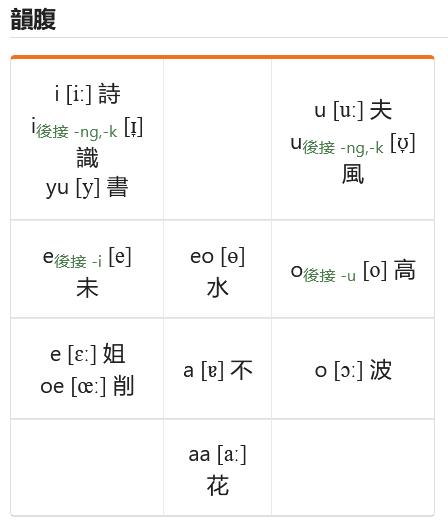
i, u, e, o 均爲一個符號對應兩個韻腹,具體所代表的韻腹取決於所搭配的韻尾。 即韻腹 e, o, i, u 在拼寫成 ei, ou, ing, ik, ung, uk 時,讀音與和其他韻尾搭配時稍有不同, 詳見表中IPA。
4. 汉语拼音字母表
Yongqiang Cheng: 汉语拼音字母表